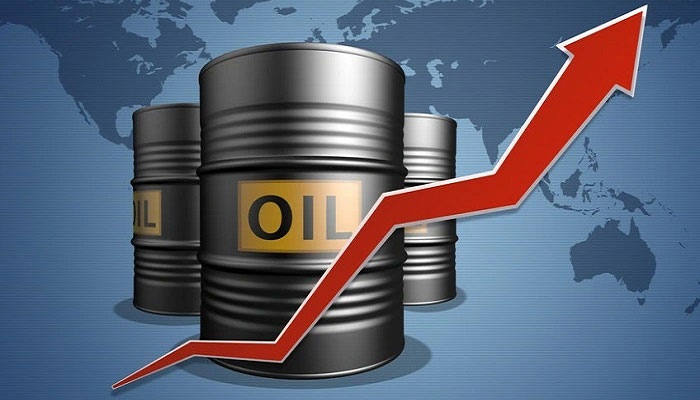
Global crude oil prices surged to their highest levels since the COVID-19 pandemic following the Iran conflict. The Strait of Hormuz closure and attacks on oil installations triggered a sharp 30 percent price jump in a single day. The increase affects international energy markets and global trade stability.
During trading, Brent crude reached $119.50 per barrel, while U.S. WTI crude hit $119.48 per barrel. This marked the first time since the pandemic that oil prices surpassed $100 per barrel, according to U.S. media reports. The spike reflects growing concerns over energy supply disruptions from the Persian Gulf region.
Read more: Govt scrambles to secure fuel as global oil prices surge
In response, G7 countries convened virtually under France’s leadership to explore measures to stabilize markets. The group discussed releasing emergency crude oil reserves, and while no immediate decision was made, members agreed to use all necessary tools to calm the market.
Subsequently, oil prices began to decline, with Brent crude at $102 per barrel and WTI crude at $99.80 per barrel. French Finance Minister indicated emergency reserves might be released if needed, noting that fuel supply in Europe and the U.S. currently remains stable.
Read more: Oil prices surge amid Strait of Hormuz tensions
Analysts said the extreme price surge highlights traders’ fears about restricted access to oil and natural gas from the Persian Gulf. Nearly one-fifth of the world’s oil and significant natural gas volumes normally pass through the Strait of Hormuz, which has remained closed for about a week.