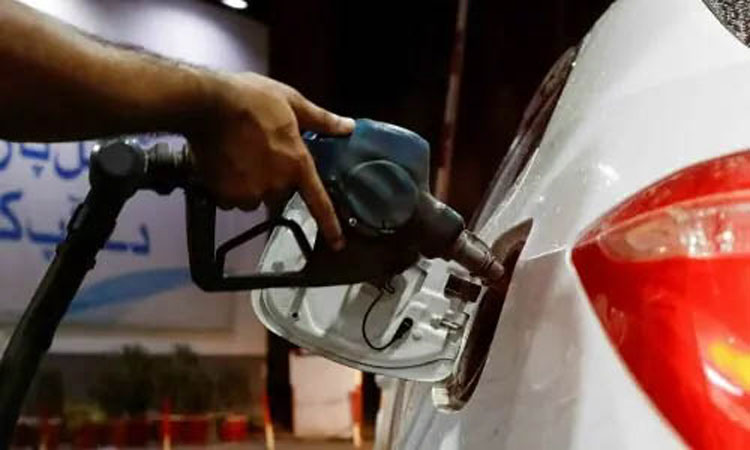
KARACHI: The Pakistan Petroleum Dealers Association (PPDA) has challenged the petroleum reserve figures released by the Oil and Gas Regulatory Authority (OGRA), claiming the official data does not reflect the actual situation on the ground.
PPDA Chairman Abdul Sami Khan said the country currently has petroleum reserves sufficient for only about 14 days, contradicting OGRA’s assurances that supplies remain adequate. He warned that continued disruptions in fuel distribution could worsen shortages at petrol stations across Pakistan.
Read More: Pakistan weighs weekly petroleum price review amid Middle East tensions
According to the association, fuel deliveries to dealers are not being made in line with average consumption levels. As a result, many pumps are facing difficulties maintaining regular supply for customers.
Abdul Sami Khan also pointed to the suspension of petrol and diesel imports from Iran as a key factor putting additional pressure on oil marketing companies. He said the introduction of a quota-based distribution system for petroleum products has further complicated the supply situation.
The association cautioned that if the problem persists, petroleum dealers may be forced to shut down petrol pumps nationwide due to a lack of supply.
Meanwhile, OGRA urged the public to remain calm and avoid panic buying. The regulator maintained that sufficient petroleum reserves are available in the country and said the supply chain remains stable.
Amid concerns over a possible fuel shortage, petroleum dealers have also requested the Inspector General of Sindh to provide security at petrol stations to prevent potential disruptions and ensure smooth operations.
Read More: Govt monitoring petroleum supplies amid Gulf tensions: Aurangzeb
Earlier, the Oil Marketing Association of Pakistan (OMAP) also warned that fuel supply could be affected if issues related to product allocation by local refineries were not resolved.
In a letter issued from Lahore, the association expressed concern that local refineries had deviated from previously agreed supply commitments, leaving oil marketing companies with smaller-than-expected allocations and creating uncertainty in the fuel supply chain.