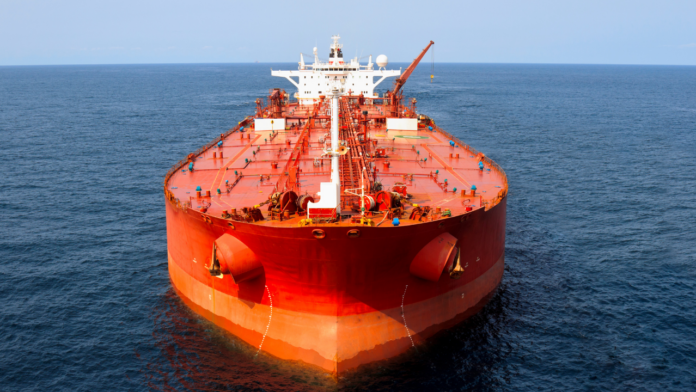
India’s state-owned oil refiners are purchasing millions of barrels of Russian crude oil for immediate delivery as the country moves to address potential supply shortages linked to escalating conflict in the Middle East, according to multiple industry sources.
Read More: Putin warns of possible gas halt to Europe
The buying spree comes as India seeks to safeguard its energy security. The country relies heavily on imported oil, with roughly 40% of its crude supplies arriving from the Middle East through the strategic Strait of Hormuz. Any disruption in the region could quickly affect India’s fuel supply, as the nation’s crude reserves cover only about 25 days of demand.
For several months, the United States had urged New Delhi to scale back purchases of Russian oil in an effort to limit revenues supporting Moscow’s war effort in Ukraine. Earlier this year, Indian refiners had already reduced Russian imports, a move that helped India avoid potential U.S. tariffs and secure an interim trade arrangement with Washington.
However, the intensifying Middle East crisis has forced Indian refiners to reconsider their strategy. Sources said state-run companies—including Indian Oil Corp, Bharat Petroleum Corp, Hindustan Petroleum Corp and Mangalore Refinery and Petrochemicals Ltd—have entered talks with traders to secure prompt shipments of Russian crude.
Industry insiders estimate that Indian refiners have already purchased around 20 million barrels of Russian oil in recent deals. The cargoes are mainly the Urals grade and are expected to arrive at Indian ports in March and early April.
Read More: Russian crude revenue drops amid India pact
Prices have also shifted rapidly. Traders said Russian Urals crude is currently being sold to India at a premium of about $4 to $5 per barrel above Brent on a delivered basis. This marks a sharp reversal from February, when similar cargoes were offered at discounts of around $13 per barrel.
Market participants say availability of supply, rather than price, is now the key concern for Indian refiners as geopolitical tensions continue to threaten global oil flows.