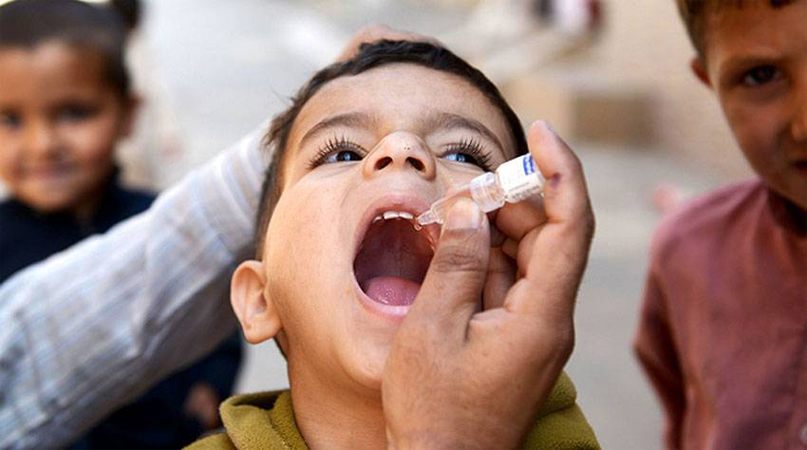
Pakistan has reported its first case of wild poliovirus in 2026 after a four-year-old child in Sindh’s Sujawal district tested positive, the National Emergency Operations Centre (NEOC) for Polio Eradication confirmed on Thursday.
According to officials, the case was detected in Bello Union Council and identified through the country’s polio surveillance network. Laboratory confirmation was later provided by the Regional Reference Laboratory for Polio Eradication at the National Institute of Health in Islamabad.
Read More: Pakistan’s final Polio push of 2025 begins
Polio is a highly infectious disease that primarily affects children under five and can cause permanent paralysis. While there is no cure, health authorities stress that repeated doses of the oral polio vaccine and routine immunisations remain the most effective protection.
In a statement, the NEOC said the Polio Eradication Initiative (PEI) was reviewing the situation and planning the most effective response to prevent further transmission of the virus.
Despite persistent challenges, Pakistan has made significant progress in reducing polio cases over the past decades. Since 1994, reported infections have dropped by 99.8 percent, falling from an estimated 20,000 cases annually in the early 1990s to 31 confirmed cases in 2025.
Authorities said the country had already conducted a nationwide vaccination drive earlier this year, reaching more than 45 million children. Another campaign is scheduled for April as part of continued efforts to eliminate the virus.
In 2025, the polio programme carried out five nationwide campaigns along with targeted vaccination rounds and integration with the national routine immunisation programme.
Read More: Over 42m children immunised during first anti-polio drive this year
However, officials warned that virus circulation continues in certain high-risk areas, particularly in districts of Sindh and southern Khyber Pakhtunkhwa.
Health authorities urged parents and caregivers to ensure their children receive all recommended vaccine doses. They also called on community leaders, religious figures and the media to support vaccination efforts and counter misinformation surrounding immunisation.