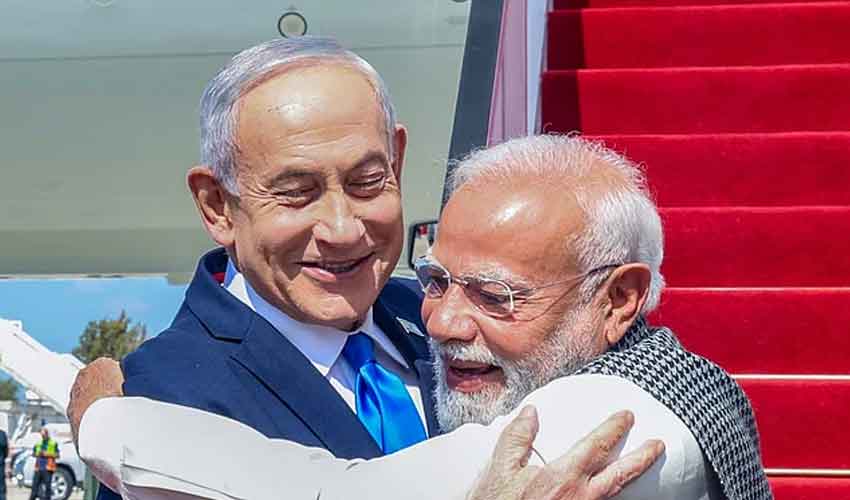
Indian Prime Minister Narendra Modi faced international criticism after visiting Israel just before heightened tensions with Iran. Observers questioned the timing of the visit, suggesting it raised serious diplomatic and strategic concerns. Global media noted that the trip appeared to prioritize personal and political interests over traditional Indian foreign policy principles. Critics argue that the visit coincided with sensitive military developments in the Middle East.
During the visit, Modi reportedly assured Benjamin Netanyahu of potential support against Iran, raising questions about India’s neutrality in regional conflicts. Analysts claim the trip may have also sought to secure access to US leadership through Netanyahu, blending diplomacy with political maneuvering. Former US defense advisor Douglas Macgregor noted that American naval vessels were using Indian ports amid escalating tensions with Iran. This strategic alignment has prompted concerns over India’s independent foreign policy stance.
Read more : Modi faces backlash over Israel-aligned policies amid regional crisis
Critics further argue that Modi’s Israel visit served as a political favor to Netanyahu during his election campaign. Israeli journalists described Modi as a “poster boy” for Netanyahu, suggesting that the Indian Prime Minister’s presence was used as inexpensive election publicity. Some reports indicate Modi aimed to strengthen personal ties with former US President Trump through Netanyahu, potentially at the cost of India’s regional credibility. Observers called the visit diplomatically risky and controversial.
Concerns were also raised about India’s economic and business interests. Modi reportedly sought assurances regarding investments in Chabahar Port and Israeli port facilities linked to the Adani Group. Analysts questioned whether personal business interests influenced strategic decision-making. Critics suggested that Modi prioritized economic and political gains over national honor and traditional diplomatic commitments. The timing of the visit amid rising Iran tensions compounded scrutiny of his actions.
Read more : Modi, Netanyahu ink defence, tech cooperation deals –
The visit triggered political backlash within India as opposition leaders condemned Modi for undermining India’s longstanding policy toward Iran. Sonia Gandhi and others highlighted Modi’s deviation from diplomatic norms, while Asaduddin Owaisi raised questions about whether Modi had prior knowledge of impending strikes. Public debates intensified over India’s role and credibility as a regional ally, while protests erupted in regions including disputed Kashmir, criticizing the government’s decision-making.
Ultimately, Modi’s Israel trip fueled doubts about India’s reliability as a neutral partner in the Middle East. Observers argue that the visit prioritized political gain and business interests over strategic consistency, potentially damaging India’s international standing. Critics warn that the approach risks alienating key regional partners and undermining long-term foreign policy credibility. As debates continue, India faces scrutiny over its diplomatic priorities and alignment with international actors.