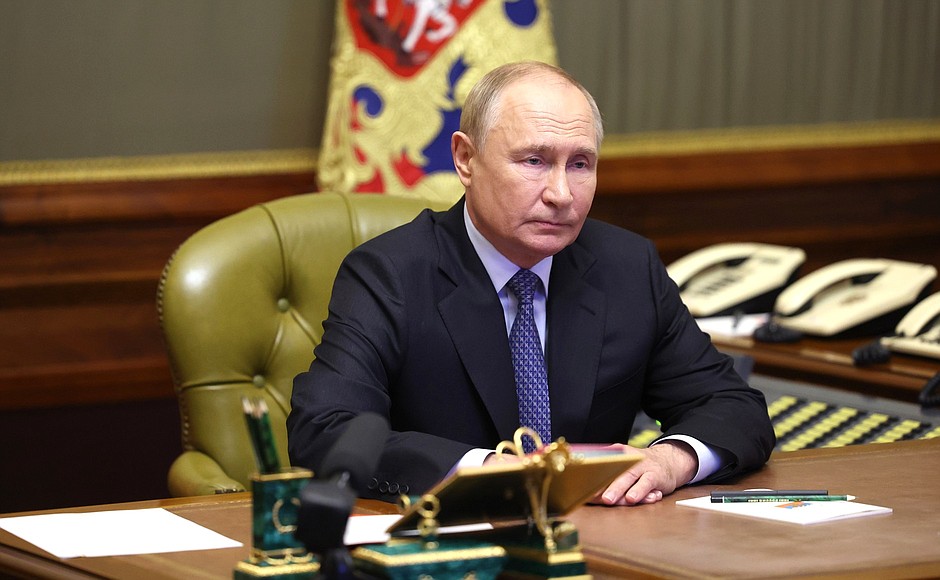
Vladimir Putin’s four-year invasion of Ukraine represents the culmination of over two decades of consolidating power, suppressing opposition, and expanding Russia’s influence. The ongoing conflict has caused hundreds of thousands of deaths and widespread destruction, becoming the central element of Putin’s legacy. Analysts note that the war defines both his domestic authority and international reputation, regardless of its eventual outcome, placing him in a historical context alongside Russia’s most consequential leaders.
Since assuming power on the final day of 1999, Putin has relied on ruthlessness and strategic maneuvering, first in Chechnya and later with oligarchs. The 2003 arrest of Mikhail Khodorkovsky and seizure of Yukos oil served as a warning to others. Over time, the government systematically silenced dissent, targeting critics like Boris Nemtsov, Alexander Litvinenko, and Alexei Navalny, actions that European states allege were linked to political motives, though the Kremlin denies involvement.
Read more : Putin calls for truce in talks with UAE, Qatar leaders
Putin’s approach to governance is influenced by his KGB background and legal training. His experience in East Germany during the Cold War shaped his views on secrecy, loyalty, and state control. Observers describe him as skilled at “using” people and consolidating authority while projecting an image of disciplined pragmatism. His rhetoric frames Russia as a defender of independence, tradition, and civilization against perceived Western globalist threats, justifying military campaigns and domestic crackdowns.
The annexation of Crimea in 2014 marked a turning point, severing much of Russia’s goodwill with Western nations and triggering sanctions. The 2022 full-scale invasion of Ukraine further isolated Moscow, defying prior expectations that Russia would limit military engagement. Four years later, the conflict remains unresolved, consuming resources and shaping Putin’s worldview, as he frames it as part of a broader civilizational struggle with the West.
Read more : Five European countries say Russia ‘poisoned’ Putin critic Navalny
Despite his public persona, Putin maintains a highly private personal life. Officially divorced, he has two daughters in senior state-linked positions, while reports suggest a relationship with former gymnast Alina Kabaeva and additional children. Putin rarely comments on his private affairs, reinforcing his image as a calculating and disciplined leader whose personal life remains shielded from public scrutiny.
Observers argue that the Ukraine war, combined with domestic authoritarianism, will define Putin’s historical memory. His leadership style—combining military assertiveness, political control, and nationalist ideology—has reshaped Russia internally and externally, leaving a legacy inseparable from conflict, power consolidation, and international tension.