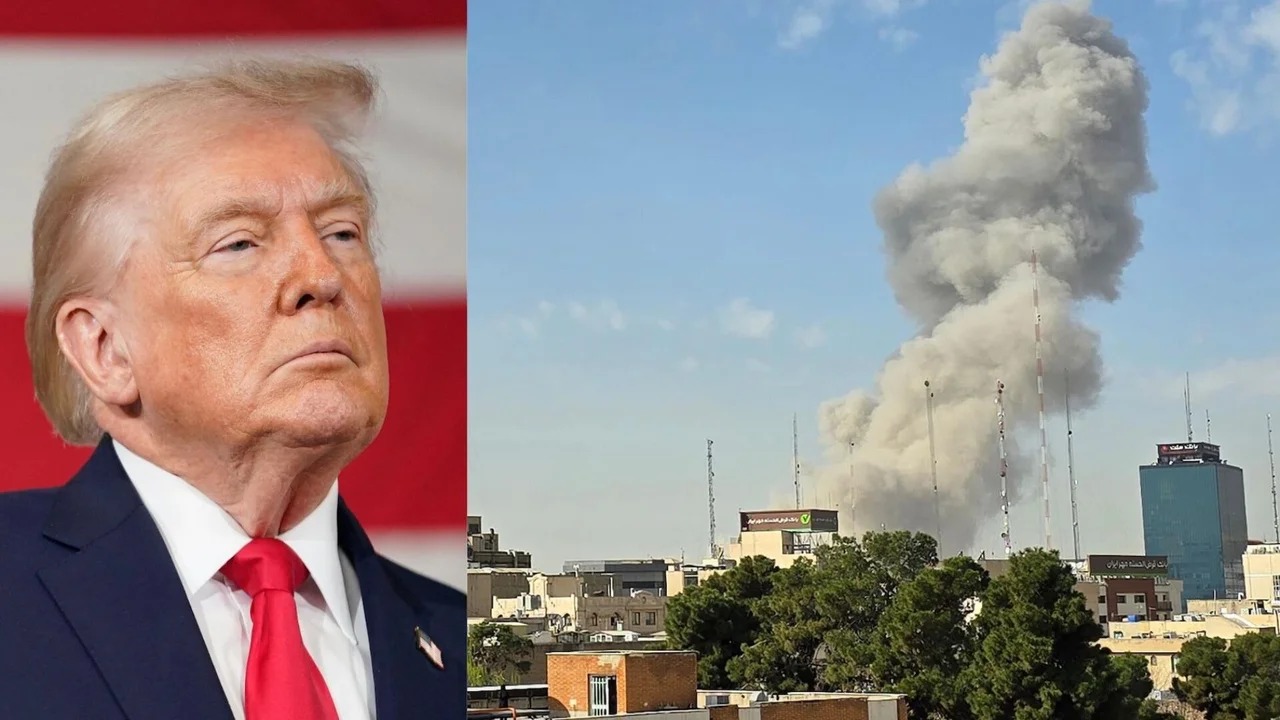
Republicans aligned with US President Donald Trump defended recent military strikes on Iran, insisting he acted within his constitutional authority as commander in chief. In contrast, Democratic lawmakers argued that the administration failed to justify the urgency of the operation and announced plans to push for a formal war powers vote in Congress later this week. The debate reflects growing divisions in Washington as tensions escalate in the Middle East.
Read more : Trump doesn’t rule out sending US troops into Iran
Senior officials, including Secretary of State Marco Rubio and Defense Secretary Pete Hegseth, briefed congressional leaders about the strikes, alongside intelligence and military chiefs. Before the classified session, Rubio told reporters that US intelligence indicated Israel planned to attack Iran and anticipated retaliation against American forces stationed in the region. According to administration officials, that expectation created what they described as an imminent threat requiring swift defensive action.
Republican lawmakers echoed that position, arguing that Israel’s determination to act with or without US involvement placed Washington in a difficult strategic position. House Speaker Mike Johnson stated that the president oversaw a limited and necessary operation designed strictly for national defense. He expressed confidence that the mission would conclude quickly and remain narrowly focused on protecting American personnel and interests.
Read more : Trump warns Iran of unprecedented force after strikes –
However, Democrats strongly countered that the US Constitution grants Congress, not the president, the sole authority to declare war except under narrow emergency circumstances. Senator Mark Warner questioned whether the administration had demonstrated clear proof of an immediate threat to American interests. He argued that shifting explanations, ranging from dismantling Iran’s nuclear program to broader military objectives, weakened the credibility of the administration’s case.
Meanwhile, the conflict has already claimed the lives of six US service members, intensifying scrutiny over the decision to launch strikes without congressional approval. Lawmakers are expected to vote on war powers resolutions that could restrict further military action unless Congress formally authorizes it. Although a small number of Republicans have shown support for oversight measures, party leadership has so far blocked efforts to compel the president to seek legislative consent.