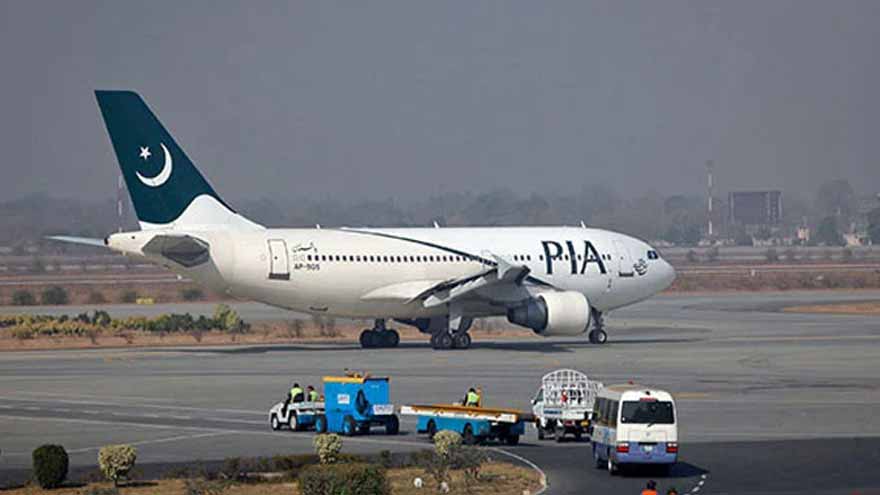
A total of 156 flights from Pakistan to Middle Eastern destinations were cancelled as regional tensions escalated, disrupting travel plans for thousands of passengers. Airlines suspended operations due to growing security concerns linked to instability involving Iran, Israel, and the United States. Aviation authorities confirmed that the cancellations affected both departures and arrivals across major airports. As a result, travelers faced delays, uncertainty, and sudden schedule changes nationwide.
Read more : PIA stops flights after Iran strikes by US, Israel
At the Allama Iqbal International Airport, officials cancelled 22 international flights, significantly impacting passengers traveling to Gulf countries. Meanwhile, at the Islamabad International Airport, authorities called off 18 international departures, leaving many travelers stranded. Airlines informed passengers about the suspensions and advised them to check updated flight timings. Consequently, long queues formed at inquiry counters as people sought alternative arrangements.
In addition, multiple flights from airports in Multan, Sialkot, Peshawar, and Quetta were also suspended for Middle Eastern routes. The Jinnah International Airport similarly halted several scheduled departures to regional cities for the day. Aviation officials coordinated with airlines to adjust operations in response to the evolving security environment. Therefore, flight networks across the country experienced widespread disruption within a short period.
Read more : Travel chaos grips Middle East after US, Israel strikes on Iran
Authorities described the cancellations as precautionary steps taken to ensure passenger safety amid the deteriorating regional situation. They emphasized that airlines followed international safety protocols while monitoring developments closely. Moreover, officials stated that operations would resume once conditions improve and airspace stability returns. This proactive approach aims to minimize risks and maintain secure travel standards during uncertain times.
Passengers have been advised to stay in contact with their respective airlines for the latest updates and rebooking options. Travel agents also reported increased inquiries as families and business travelers adjusted their plans. Consequently, the aviation sector continues to assess the impact while coordinating with regional partners. As tensions persist, authorities remain prepared to revise schedules to prioritize safety and operational security.