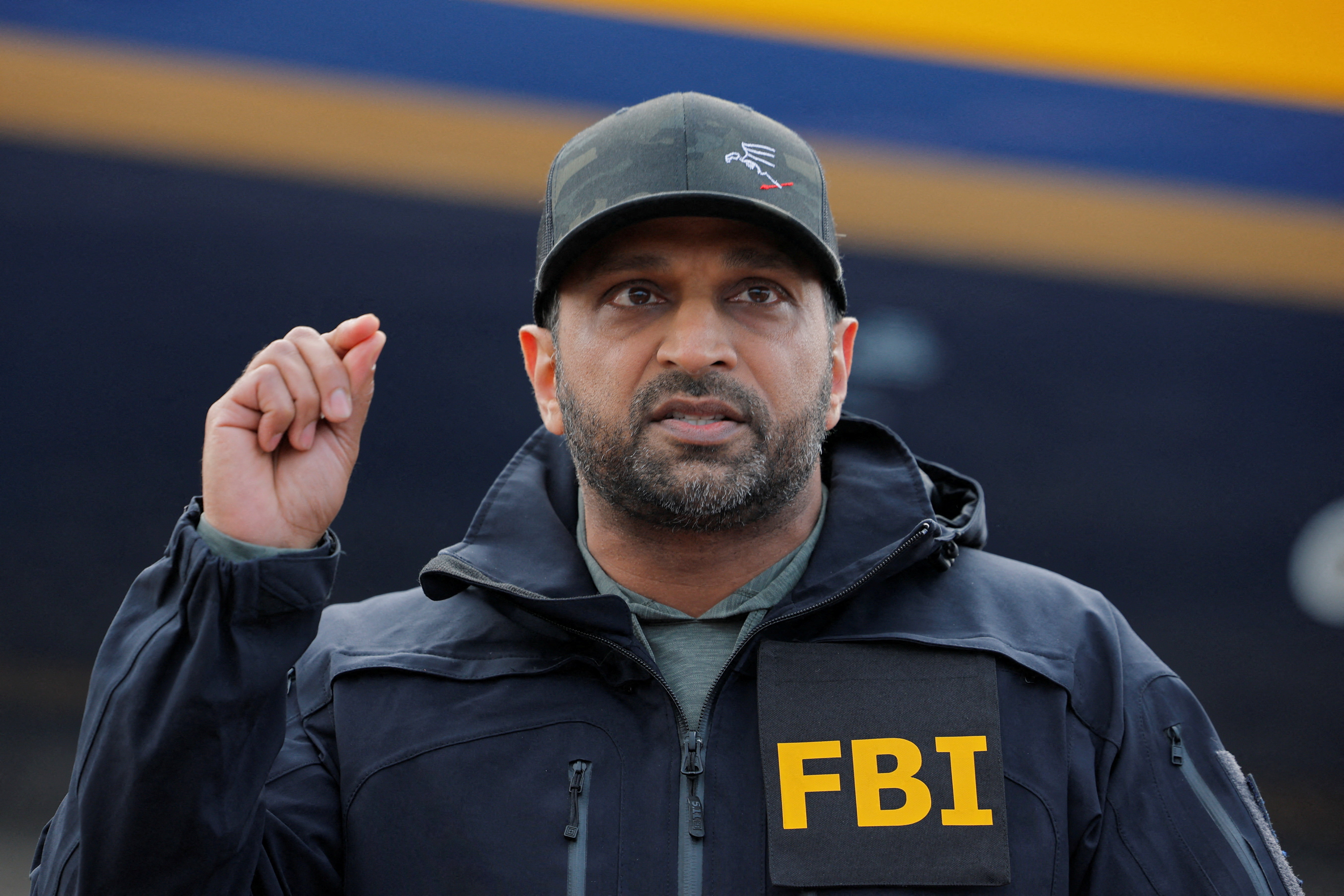
The FBI obtained phone records of Kash Patel and Susie Wiles during 2022 and 2023, while they were private citizens, as part of the federal investigation into Donald Trump’s handling of classified Mar-a-Lago documents. Patel, now FBI Director, said the records were collected under subpoenas, detailing the timing and recipients of calls, though not the call content, raising concerns about government overreach under the previous administration.
Patel described the record seizures as secretly buried in “Prohibited” case files, making them difficult to find after he assumed leadership of the FBI in February 2025. He characterized the subpoenas as unjustified, claiming they were intended to target him and Wiles, now White House Chief of Staff, during investigations conducted by Special Counsel Jack Smith. Patel called the actions “deeply alarming” and emphasized the need for oversight of unelected officials.
Read more : FBI issues warning over surge in ATM jackpotting attacks
At least 10 FBI employees have been dismissed following revelations about the targeting of Patel, Wiles, and others connected to the Mar-a-Lago investigation. While Democrats in Congress defended Smith’s actions, saying he followed legal procedures in obtaining the records, Patel and other Trump allies argue that the subpoenas were politically motivated and lacked proper justification.
The subpoenas covered periods when Patel and Wiles were involved in Trump’s post-presidency political activities, including the 2024 campaign. Patel noted that the FBI discovered the records after they were categorized as “Prohibited,” highlighting bureaucratic hurdles and potential misuse of investigative files. Both Patel and Wiles were previously interviewed by investigators as part of Smith’s inquiry into alleged obstruction and classified documents retention.
Read more : FBI raids Atlanta election office amid Trump 2020 claims –
Smith’s investigation also recorded a phone call between Wiles and her attorney in 2023, reportedly without her consent, though her attorney approved the recording. While records obtained via subpoena are lawful without judicial approval, the revelations have reignited debate over FBI procedures, political impartiality, and the handling of sensitive investigations involving former presidents and their associates.
The Justice Department and White House have not commented, while Smith has emphasized that all investigative actions followed legal requirements. The disclosure comes amid broader GOP concerns about investigative overreach, echoing previous criticism over the collection of phone records of lawmakers and other officials during probes into alleged election interference and January 6 events.