 Pakistan on Saturday rejected recent allegations by the Afghan Taliban administration that Islamabad was supporting the militant Islamic State Khorasan Province (ISKP), terming the claims “baseless” and reiterating concerns about the presence of multiple armed groups operating from Afghan territory.
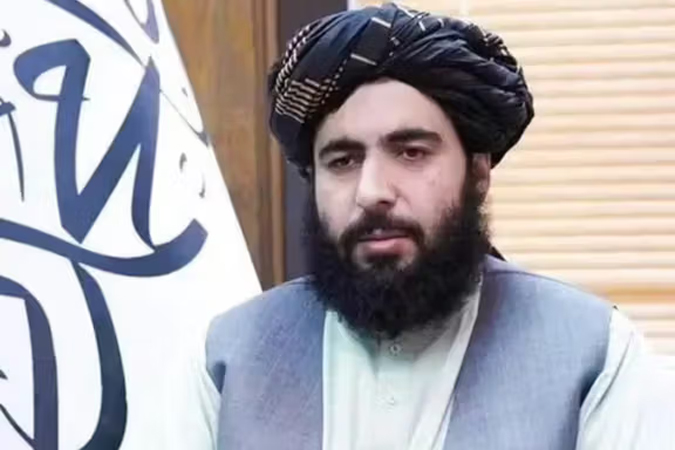
The latest exchange follows remarks attributed to the chief spokesperson of the Afghan Taliban, who accused Pakistan of facilitating ISKP and relocating its elements from Balochistan to Khyber Pakhtunkhwa. The Afghan official also denied that Tehreek-i-Taliban Pakistan (TTP) was operating from Afghanistan.
Pakistani officials, however, pointed to recent United Nations reporting and Security Council deliberations, which they said present a different assessment of the security environment in Afghanistan.
According to the 37th report of the UN Analytical Support and Sanctions Monitoring Team, released in February 2026, the authorities in Afghanistan have continued to provide what it described as “a permissive environment for a range of terrorist groups, notably Tehrik-e-Taliban Pakistan (TTP).”
The report also noted that attacks carried out by the TTP against Pakistan from Afghan territory remain “a particularly significant challenge.”
Earlier, the Monitoring Team’s 16th report issued in December 2025 stated that Afghan Taliban authorities were providing support to the TTP, which it said was based in eastern Afghanistan. The same report indicated that a wide range of UN member states had consistently reported the presence of several groups, including ISIL-K, Al Qaeda and the TTP, in Afghanistan.
In a separate UN Security Council briefing in December 2025, officials highlighted what they described as the most serious challenge facing regional stability: the Afghan authorities’ continued denial of the presence of terrorist organisations in the country despite international concerns. The Monitoring Team report further stated that Al Qaeda continued to benefit from what it termed a permissive operating environment across Afghanistan.
Pakistan has repeatedly called on Kabul to take effective action against the TTP, which Islamabad says is responsible for an increase in cross-border attacks and violence in recent years. Officials have maintained that evidence of militant sanctuaries and cross-border activity has been shared with international partners.
Afghan authorities have consistently rejected these accusations, urging Pakistan to address its internal security challenges. They have also accused Islamabad of attempting to shift responsibility for violence.
Meanwhile, ISKP has claimed responsibility for several recent attacks in the region, including incidents in Pakistan, raising further concerns among security analysts about the evolving militant landscape.
The UN Security Council, in Resolution 2777 adopted in 2025, expressed serious concern over the presence of terrorist groups in Afghanistan and reaffirmed the importance of preventing the use of Afghan territory for terrorist activities.
Security experts say continued mistrust and competing narratives between Islamabad and Kabul risk undermining regional counter-terrorism cooperation at a time when coordinated action is widely seen as essential.
Pakistan has reiterated its commitment to working with regional and international partners to promote stability and counter militancy, while urging the Afghan authorities to fulfil their obligations to prevent the use of their territory against neighbouring countries.