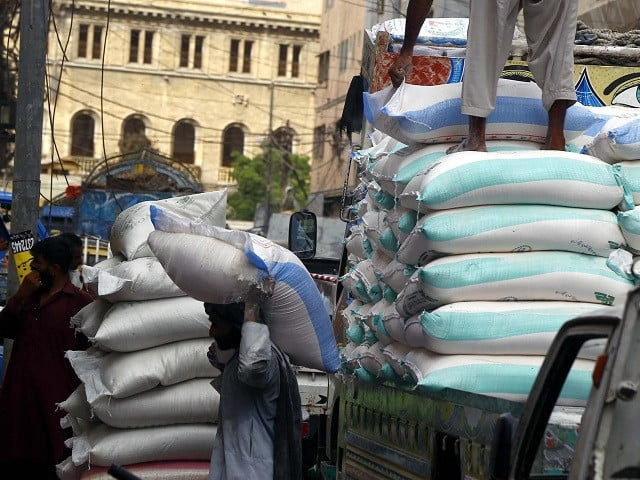
ISLAMABAD – The Islamabad High Court (IHC) has prohibited the use of substandard polypropylene woven sacks for food packaging, citing severe health hazards, including cancer, from the reuse of cement bags for flour and other edibles.
In a written judgment, Justice Azam Khan directed the Pakistan Standards and Quality Control Authority (PSQCA) to launch a nationwide enforcement drive within 30 days. The court ordered the authority to identify, seize, and take legal action against the manufacture, storage, sale, and transportation of polypropylene sacks that do not carry the mandatory PS Mark certifying compliance with PS: 3128 standards.
Read More: IHC seeks arguments on contempt case against CDA chairman
The ruling also covers kraft paper cement sacks that fail to meet PS: 4877 standards and specifically prohibits their reuse in the food supply chain. Justice Khan emphasized that the PSQCA must act not only against manufacturers but also distributors, warehouses, and transporters dealing in non-compliant sacks.
The federal Ministry of Food and all provincial governments have been directed to coordinate implementation. Chief Secretaries and Food Authorities were ordered to enforce the judgment strictly in their respective regions. The court stressed that enforcement should go beyond fines, requiring criminal cases, arrests, and raids on factories and warehouses producing or storing substandard sacks.
The PSQCA and Ministry of Food must submit a comprehensive compliance report within 90 days. The judgment highlighted the economic impact, noting that defective sacks cause annual losses of Rs23–38 billion, with cumulative losses over the past eight years exceeding Rs80 billion.
Read More: IHC convinces couple to stay together in family dispute case
The IHC described the situation as a national emergency, warning that failure to act infringes on fundamental rights, including the right to life, dignity, and economic welfare. The court stressed that ensuring safe food packaging is critical for public health and national food security.