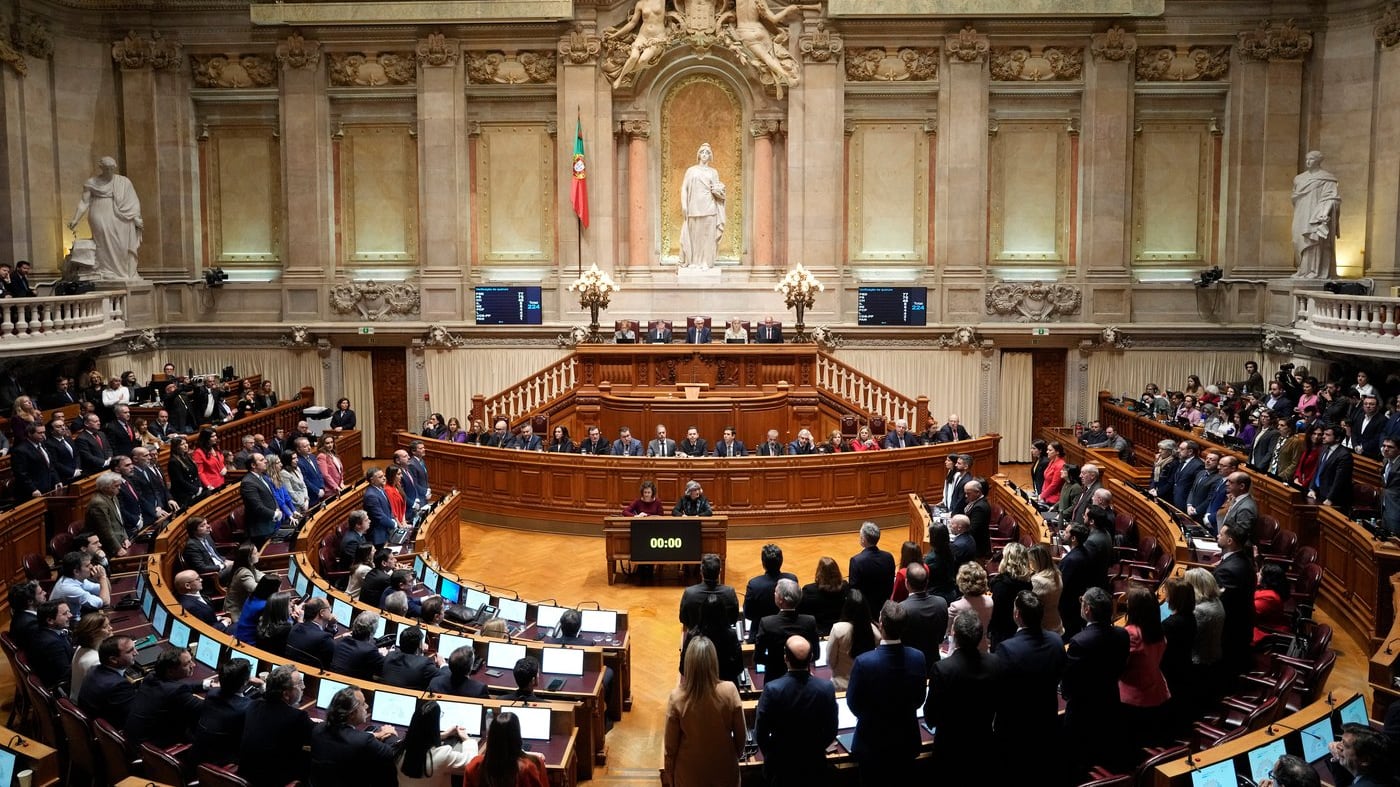
LISBON: Portugal parliament has approved a bill requiring children aged 13 to 16 to obtain explicit parental consent before accessing social media platforms, marking one of Europe’s first legislative steps to impose such restrictions. The bill, passed on its first reading by 148 votes to 69 with 13 abstentions, aims to protect minors from cyberbullying, harmful content, and predatory behavior online.
Read More: LHC reviews plea against social media ban for children under 16
Under the proposed law, parents will use the Digital Mobile Key (DMK) system to grant consent, while tech providers must implement compatible age verification systems. The measure also reinforces the existing ban for children under 13 from accessing social media, video- and image-sharing platforms, or online betting sites.
Portugal’s parliament on Thursday approved a bill, on its first reading, requiring explicit parental consent for children aged 13 to 16 to access social media, in one of the first concrete legislative moves in Europe to impose such restrictions.
“We have to protect our… pic.twitter.com/7TjB59jZks
— GMA Integrated News (@gmanews) February 12, 2026
PSD lawmaker Paulo Marcelo, one of the bill’s authors, said the legislation seeks to empower families and give parents greater control over children’s online exposure. “We don’t intend to prohibit for the sake of prohibiting, we intend to create a norm to give more power to parents and families, to accompany and control,” he said.
The bill still may be modified before the final vote. Companies that fail to comply could face fines of up to 2 percent of their global revenue.
Portugal’s move follows similar initiatives elsewhere: France recently approved a ban on social media use for children under 15, while Australia implemented a world-first restriction on platforms including Facebook, Snapchat, TikTok, and YouTube for under-16s in December. Advocates say such legislation fills regulatory gaps left by multinational digital platforms that previously set their own rules, often affecting children’s cognitive and emotional development.
Read More: UK considers social media ban for children
The Portuguese government emphasized that the law is not intended to prohibit social media use outright but to regulate access responsibly and ensure parental oversight.