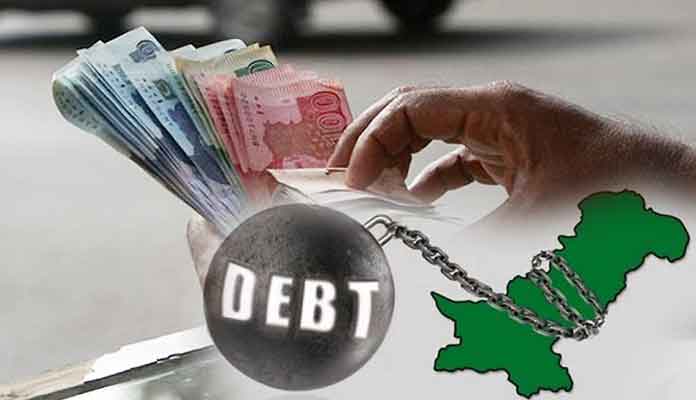
ISLAMABAD: Debt servicing in Pakistan continued to outstrip spending on defence and development during the first half of the current fiscal year (July–December CFY26), raising concerns over fiscal pressures under the International Monetary Fund (IMF) programme, The News reported on Saturday.
Read More: Pakistan hits milestone by repaying debt early
According to data released by the Ministry of Finance, interest payments on public debt reached Rs3,563 billion, more than twice the combined allocations for defence (Rs1,044 billion) and the Public Sector Development Programme (PSDP), which stood at Rs238 billion.
The fiscal report also revealed a statistical discrepancy of Rs413.3 billion in the first half, slightly lower than Rs439.7 billion recorded in the same period last year. Punjab accounted for Rs144.4 billion of the total provincial discrepancy of Rs342 billion.
Despite these pressures, the country posted a fiscal surplus of Rs542 billion in the first half of CFY26, compared to a deficit of Rs1,537 billion in the same period last year. The primary balance, a key metric monitored by the IMF, recorded a surplus of Rs4,105 billion, equivalent to 3.2% of GDP, up from 3,600 billion or 3.1% of GDP in the previous year.
Total revenues for the first six months amounted to Rs10,683 billion, with the Federal Board of Revenue (FBR) collecting Rs6,160 billion and non-tax revenue contributing Rs3,954 billion. The largest single component of non-tax revenue was the State Bank of Pakistan’s profit of Rs2,428 billion. Other contributions included the petroleum levy (Rs823 billion), carbon levy (Rs25.485 billion), Captive Power Plants levy (Rs8.8 billion), royalties on oil and gas (Rs61.14 billion), passport fees (Rs26.7 billion), natural gas development surcharge (Rs32.3 billion), PTA profit (Rs24.8 billion), and ICT Administration receipts (Rs17 billion).
Read More: Pakistan maintains B- debt grade, Fitch says
The IMF’s third review mission under the $7 billion Extended Fund Facility (EFF) is expected in Islamabad by the end of this month or early next month. Officials said the review will shape major components of the 2026–27 budget, particularly FBR taxation measures.