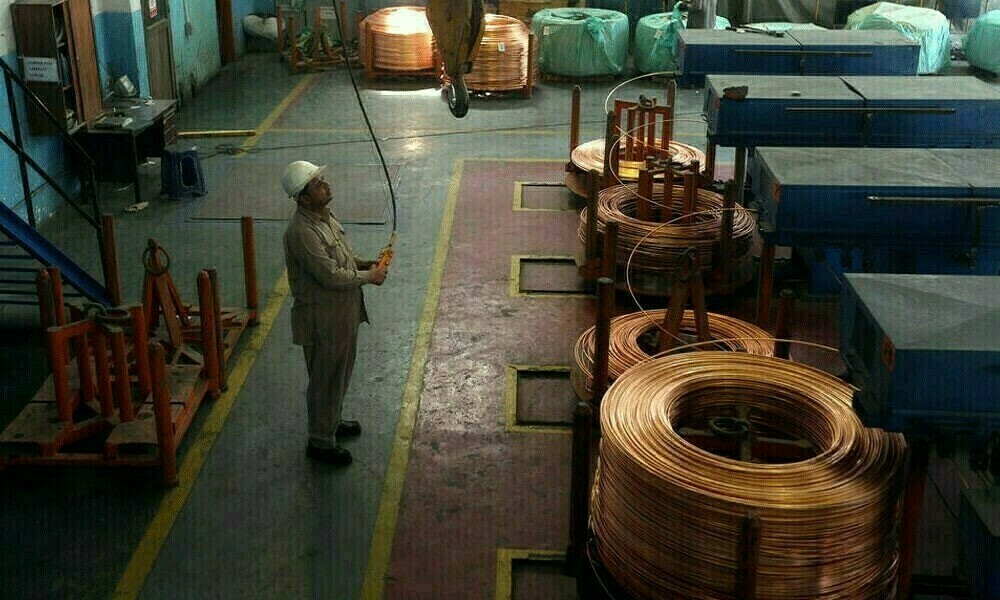
As of February 4, 2026, high-quality Millberry scrap copper in Pakistan is trading at approximately Rs. 5,500 per kilogram in major cities including Karachi, Lahore, Islamabad, and Gujranwala, according to industry sources. Refined new copper continues to command a premium, ranging between Rs. 5,800 and Rs. 6,200 per kilogram depending on purity and location. Standard or mixed copper scrap prices vary widely from Rs. 2,100 to Rs. 3,500 per kilogram.
Read More: Copper shines as Pakistani minerals dominate China exports
Local copper prices are largely influenced by international benchmarks, import duties, the dollar exchange rate, and strong demand from the electrical, construction, and recycling sectors. Despite recent gains, international copper prices are showing slight downward pressure.
Benchmark prices on global exchanges such as the London Metal Exchange (LME) and COMEX are currently around $6.00–$6.04 per pound, representing a decline of 1.1–1.9% in today’s trading session. The LME three-month copper futures are hovering between $13,200 and $13,500 per tonne. On a year-on-year basis, international copper prices remain robust, approximately 34–35% higher than in early 2025.
A quick comparison highlights the premium of copper in Pakistan: while the local Millberry scrap rate is Rs. 5,500 per kilogram, the international benchmark translates to roughly Rs. 3,700–3,800 per kilogram after converting at the current exchange rate (≈280 PKR/USD). This difference is primarily due to import duties, logistics, and local market demand.
Copper remains one of the most sought-after industrial metals due to its excellent electrical conductivity, corrosion resistance, and recyclability. Key demand drivers include electrical wiring, motors, transformers, electric vehicles (where up to 80 kg of copper is used per car), renewable energy infrastructure, construction materials, electronics, data centers, and industrial machinery.
Read More: Pakistan treads cautiously on US critical minerals price plan
Industry analysts expect strong demand to continue in 2026, particularly from the EV and renewable energy sectors, even as international prices show minor fluctuations.