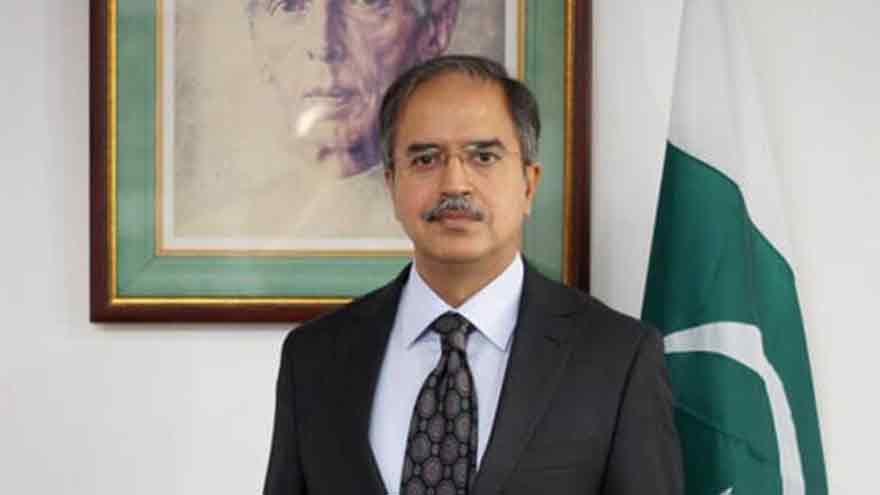
New York: Pakistan praised Istanbul’s Darülaceze as a model for long-term care, highlighting solidarity-based services.said the institution unites state, philanthropy, and volunteerism. He spoke at a UN side-event during the 64th Session of the Commission for Social Development.
Darülaceze has operated since 1895, providing care rooted in compassion, public trust, and community ownership. Ahmad said its principles reflect Pakistan’s social traditions. He emphasized that solidarity-based care strengthens both policy and societal practice.
Read more: At UN, Pakistan sounds alarm over rise in terror attacks
The ambassador highlighted Pakistan’s Benazir Income Support Programme (BISP) as a core social protection initiative. Funded by the federal budget, BISP provides cash transfers to millions of low-income households. Ahmad said it ensures poverty alleviation, income security, and social inclusion, particularly for women-headed families.
Ahmad also noted Pakistan Bait-ul-Mal’s support for the elderly, women, persons with disabilities, orphans, and those without family care. Services include residential homes, medical aid, rehabilitation, and vocational training. He added that a blended funding model—government, zakat, charitable donations, and volunteers—sustains these programs.
Read more: Selective peace undermines UN charter, warns Pakistani envoy
The ambassador called for international support to scale solidarity-based care. He cited Pakistan’s Edhi Foundation and charitable trusts as examples of society-driven social services. Ahmad urged the UN and financial institutions to invest in documentation, financing, and global adoption of such care models.