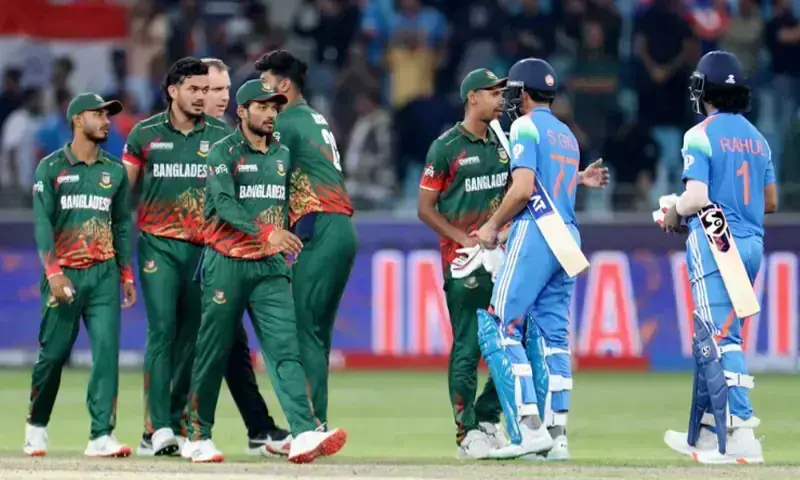
The removal of Bangladesh from the ICC T20 World Cup in India has sparked a governance crisis in international cricket, raising questions about the role of money and politics in the sport.
Read More: ICC rejects Bangladesh’s plea to play T20 World Cup matches
Analysts and commentators argue that India’s dominant influence over the International Cricket Council (ICC) has created a double standard. While India is allowed to pick and choose which teams it plays, smaller nations like Bangladesh face sanctions or removal for exercising similar caution. Bangladesh cited safety concerns following threats to players, yet the ICC dismissed these issues, prompting its exclusion from the tournament.
Critics say this reveals a broader hypocrisy: security concerns are selectively acknowledged, while financial considerations and India’s commercial clout dictate decisions. Pakistan, which agreed to play its matches in Sri Lanka, finds itself navigating the same inequities. Observers urge Pakistan to participate in the tournament while continuing to support Bangladesh’s stance and highlighting inconsistencies in the ICC’s governance.
The row underscores how international cricket is increasingly driven by revenue, with traditional values and sporting fairness taking a back seat. Revenue from marquee India-Pakistan matches exemplifies how money often outweighs principle.
Experts warn that the ICC’s deference to India threatens the integrity of the global game. The situation highlights a critical governance gap: financial incentives and political leverage overshadow safety, fairness, and the spirit of cricket. As commentators and former players remain largely silent, the responsibility to challenge this imbalance falls on the nations most affected.
Read More: India’s cricket dominance challenged amid Bangladesh dispute
Observers say unless the ICC addresses the inequities in its operations, the sport risks losing credibility. The Bangladesh removal is not just a dispute over a tournament; it reflects systemic flaws in cricket’s governance, where the business of the game dominates over the game itself.