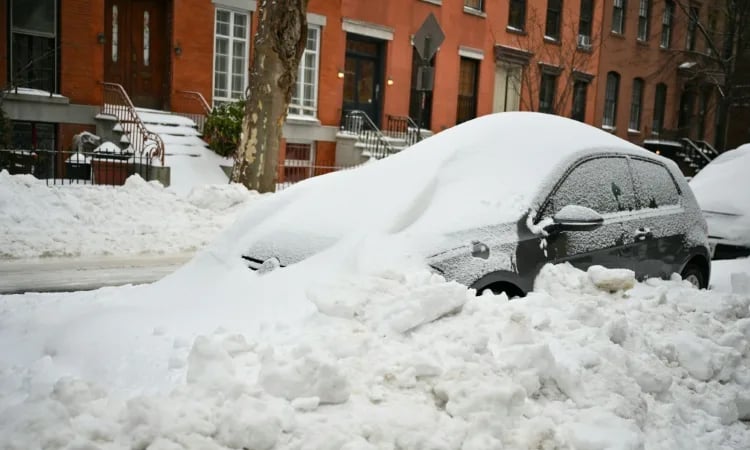
WASHINGTON/NEW YORK: Millions of Americans faced perilously cold temperatures on Monday as the United States (US) struggled to recover from a massive winter snowstorm that has claimed at least 23 lives.
Read More: Severe winter storm blankets US with snow, ice and Arctic cold
The storm brought a dangerous mix of heavy snow, wind, freezing rain, and sleet, leaving roads impassable, knocking out power, and paralyzing transportation across the country. A life-threatening Arctic air mass is expected to keep much of the northern half of the country below freezing through February 1, the National Weather Service (NWS) warned.
A massive winter storm impacted a vast swath of the United States this weekend, delivering widespread snow, ice, power outages, and travel disruptions from Texas to New England. https://t.co/SI1BHbzTF8 pic.twitter.com/GDwEOtwVBr
— AccuWeather (@accuweather) January 27, 2026
CRIPPLING ICE: The Nashville metro area is still grappling with widespread power outages days after the powerful winter storm. Heavy snow and ice toppled trees and power lines, leaving nearly 200,000 customers without electricity. #TNwx pic.twitter.com/L31INgzwuy
— WeatherNation (@WeatherNation) January 27, 2026
In the Northeast, snowfall totals reached record levels, with parts of Connecticut receiving over 22 inches and Boston recording more than 16 inches. The storm has been linked to fatalities from hypothermia and accidents involving traffic, sledding, ATVs, and snowplows. In New York City, eight additional deaths were reported, with investigations underway.
Southern states, including Tennessee, Texas, Mississippi, and Louisiana, were hit hard, with many areas unprepared for severe winter weather. More than 550,000 customers remained without electricity as municipalities set up emergency warming shelters.
The Great Lakes region experienced extreme cold, with temperatures dropping as low as -23°F (-30.6°C) in parts of Minnesota and Wisconsin, exacerbated by harsh wind chills capable of causing frostbite within minutes.
Officials noted that the storm was fueled by a stretched polar vortex, an Arctic low-pressure system that occasionally sends frigid air deep into North America. The widespread impact complicated recovery efforts, as northern states with ample winter resources were unable to assist southern regions with fewer preparations.
Read More: US storm leaves 850,000 without power; 10,000 flights cancelled
Nearly 190 million people across at least 20 states and Washington, D.C., were under extreme cold alerts, prompting states of emergency to deploy emergency personnel and resources. Authorities urged residents to exercise caution, avoid unnecessary travel, and seek shelter in warming centers as recovery continues.