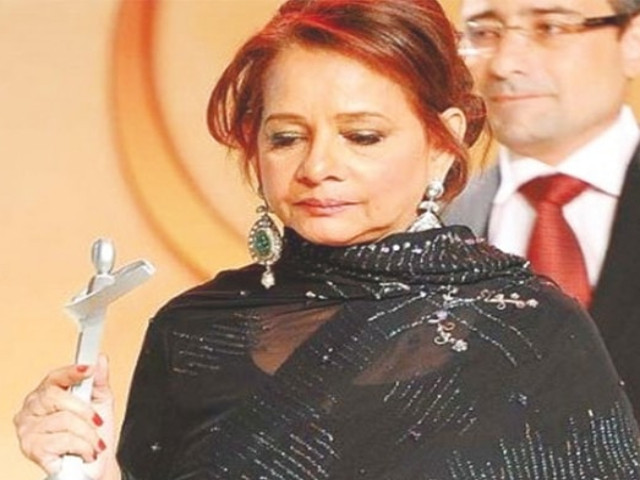
The Pakistani film and television industry, along with countless admirers, marked the seventh death anniversary of veteran actress Roohi Bano on Sunday, remembering her as one of the most powerful and emotionally compelling performers in the country’s entertainment history.
Read More: Roohi Bano — a star we gave up on
Born on August 10, 1951, in Karachi, Roohi Bano grew up in a household deeply rooted in music and the arts. She was the daughter of legendary tabla maestro Ustad Alla Rakha and the half-sister of internationally acclaimed musician Ustad Zakir Hussain. This rich artistic heritage played a defining role in shaping her creative sensibilities and exceptional screen presence.
Roohi Bano rose to prominence during the golden era of Pakistan Television, delivering unforgettable performances in iconic dramas such as Kiran Kahani, Zard Gulab and Darwaza. Her ability to portray complex emotions with subtlety and intensity set her apart, earning her critical acclaim and a devoted fan following. She became known for roles that reflected psychological depth and social realism, helping redefine television acting standards in Pakistan.
In recognition of her extraordinary contributions to the arts, the Government of Pakistan awarded her the Pride of Performance in 1981. Over the years, she also received numerous prestigious honours, including Nigar Awards, Graduate Awards and the Lux Lifetime Achievement Award, cementing her status as one of the finest actresses of her generation.
Despite her professional brilliance, her personal life was marked by struggle and hardship. Roohi Bano passed away on January 25, 2019, in Istanbul, leaving behind a legacy shaped by both triumph and tragedy.
Read More: Roohi remembered on fourth death anniversary
On her death anniversary, fans and fellow artists took to social media to share heartfelt tributes, clips and memories, celebrating her timeless performances. Decades on, Roohi Bano’s work continues to inspire new generations, ensuring her place as a cherished icon of Pakistan’s cultural and television history.