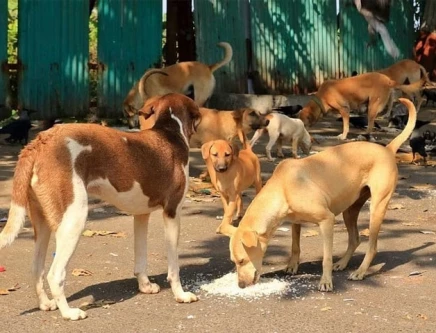
The Balochistan government has directed the Quetta Metropolitan Corporation (QMC) to stop the killing of stray animals and instead adopt internationally recognised, humane methods for managing their population, officials said on Monday.
Read More: Cats, rats, invasive flora imperil Pakistan’s only marine protected Island
In a statement shared on social media platform X, Balochistan Chief Minister Mir Sarfraz Bugti said that the issue of stray animals could not be resolved through culling and required modern, scientific and ethical approaches. He stressed that the government was committed to implementing the TNVR (Trap, Neuter, Vaccinate, Release) method as a sustainable solution.
بلوچستان اب صرف انسانوں کے لئے ہی نہیں جانوروں کے لئے بھی محفوظ ہوتا جا رہا ہے۔ کوئٹہ میونسپل انتظامیہ کو واضح ہدایات ہیں کہ کتوں اور بلیوں کو نہ مارنا ہے اور نہ ہی جعلی ویکسین دینی ہے بلکہ بین الاقوامی معیار کی TNVR دینی ہے۔ “پناہ کوئٹہ” کے تعاون سے کوئٹہ میں بلیوں اور کتوں کو… pic.twitter.com/7xBU6xabws
— Sarfraz Bugti (@PakSarfrazbugti) January 25, 2026
“The problem of stray animals does not lie in killing them, but in adopting modern, scientific and humane methods,” the chief minister said, adding that protecting animals was an essential part of a civilised and responsible society.
Following the directive, a safe and humane animal management process was initiated in Quetta with the support of Panah, a local animal welfare organisation. Officials said the initiative aims to control the stray animal population while ensuring their health and well-being through sterilisation and vaccination.
Chief Minister Bugti urged citizens to cooperate with the government’s efforts, emphasising that public support was crucial for the success of animal welfare initiatives. He said the provincial government was working to make the implementation of the animal protection policy more effective and sustainable over the long term.
He added that Balochistan was gradually moving towards becoming a safer province not only for humans but also for animals, reflecting a broader commitment to welfare and coexistence.
The issue of stray animals, particularly dogs, has remained a challenge in Quetta and other urban centres of the province, often raising public health and safety concerns. Experts and animal rights groups have long advocated the TNVR model as an effective way to control populations while preventing the spread of diseases such as rabies.
Read More: Punjab rangers intensify crackdown on poaching
Officials said the government would continue coordinating with municipal authorities and animal welfare organisations to expand humane animal management programmes across the province.