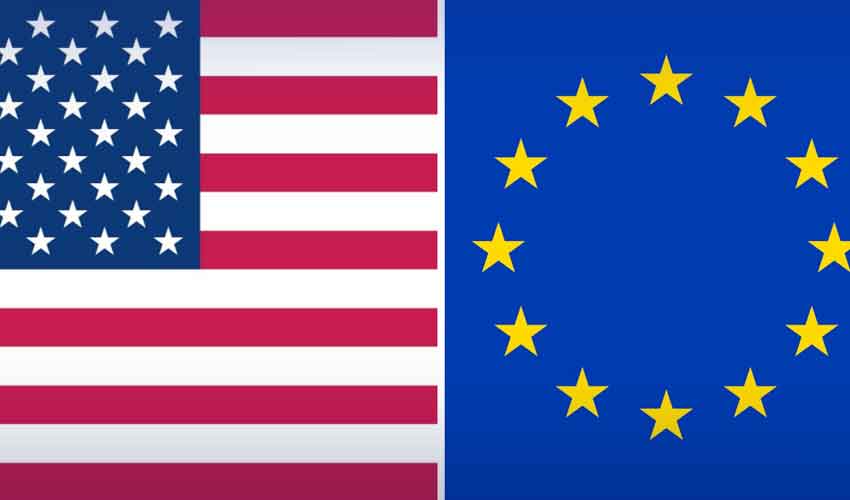
EU leaders will review their relationship with the United States at an emergency summit after Donald Trump’s recent threats over Greenland shook transatlantic confidence. Trump had threatened tariffs on eight European countries and even hinted at military action to acquire Greenland, a semi-autonomous territory of Denmark. On Wednesday, he abruptly reversed course, ruling out force and tariffs, and suggested a deal to resolve the dispute.
German Chancellor Friedrich Merz welcomed Trump’s U-turn but urged Europeans not to write off the transatlantic partnership too quickly. EU governments remain cautious of further abrupt changes by the US president, who is increasingly seen as unpredictable and coercive.
Read more: EU lawmakers stall US trade deal in protest over Greenland
Diplomats said leaders aim to develop a longer-term strategy to handle the United States under Trump and possibly future administrations.
The EU remains heavily reliant on the US for defence through NATO and as its largest trading partner. This dependence gives Washington significant leverage, leaving Europe vulnerable to sudden policy shifts. EU diplomats stressed the need to balance keeping the US close while building internal resilience, unity, and economic independence.
Read more: EU warns US tensions risk global rivals
Discussions will also consider possible retaliatory measures, such as tariffs on $108 billion of US imports, if Trump revisits coercive policies. Diplomats emphasized strengthening the EU’s internal market, competitiveness, and reducing reliance on US trade and defence to withstand future threats.
While the Greenland deal eased immediate tensions, EU officials said details are still unclear. Talks will continue between Denmark, Greenland, and the US, and Brussels will use the summit to reflect on the long-term US-EU relationship, aiming for solidarity, de-escalation, and a more resilient partnership.