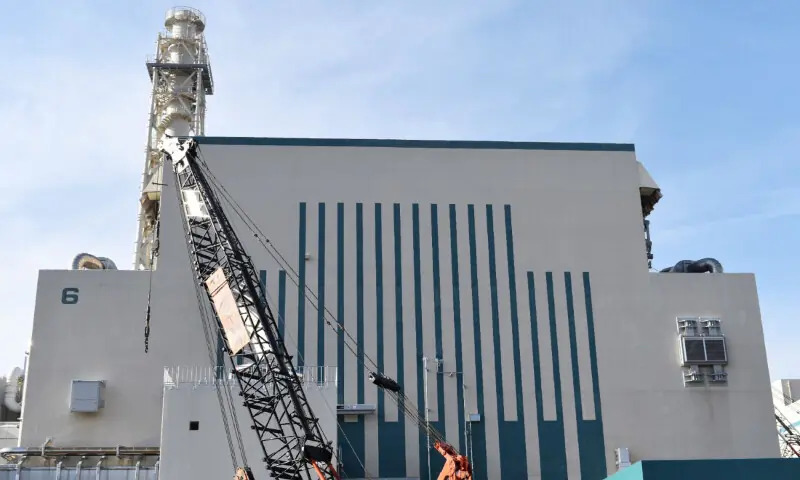
Japan restarted the Kashiwazaki-Kariwa nuclear plant, the world’s largest, for the first time since the 2011 Fukushima disaster. TEPCO confirmed Unit 6 began operations on Wednesday, despite widespread safety concerns. Local opinion remains divided, with around 60% of residents opposing the restart.
The plant’s restart follows upgrades including a 15-metre tsunami wall, elevated emergency power systems, and safety checks. TEPCO pledged careful verification of all facilities and transparent handling of any issues. Prime Minister Sanae Takaichi supports the move to boost energy security and achieve carbon neutrality by 2050.
Read more: IMF lifts Japan growth forecast for 2026
Protesters voiced fears of a major accident, citing past TEPCO scandals and Fukushima’s ongoing decommissioning. Residents also worry about evacuation in emergencies, given the plant sits on an active seismic fault zone. Nearly 40,000 people petitioned against the restart in early January.
Japan shut most nuclear plants after the 2011 Fukushima meltdown, which killed about 18,000 people. Since then, 14 reactors have resumed operations under strict safety regulations, with 13 running as of mid-January. TEPCO’s Kashiwazaki-Kariwa is the first unit it operates to restart in 15 years.
Read more: Top 10 facts about the Japanese capital
The restart comes as Japan seeks to reduce fossil fuel dependence, which accounted for nearly 70% of electricity in 2023. Nuclear power is now expected to provide around 20% of energy by 2040. The government also continues decommissioning Fukushima, a decades-long project.