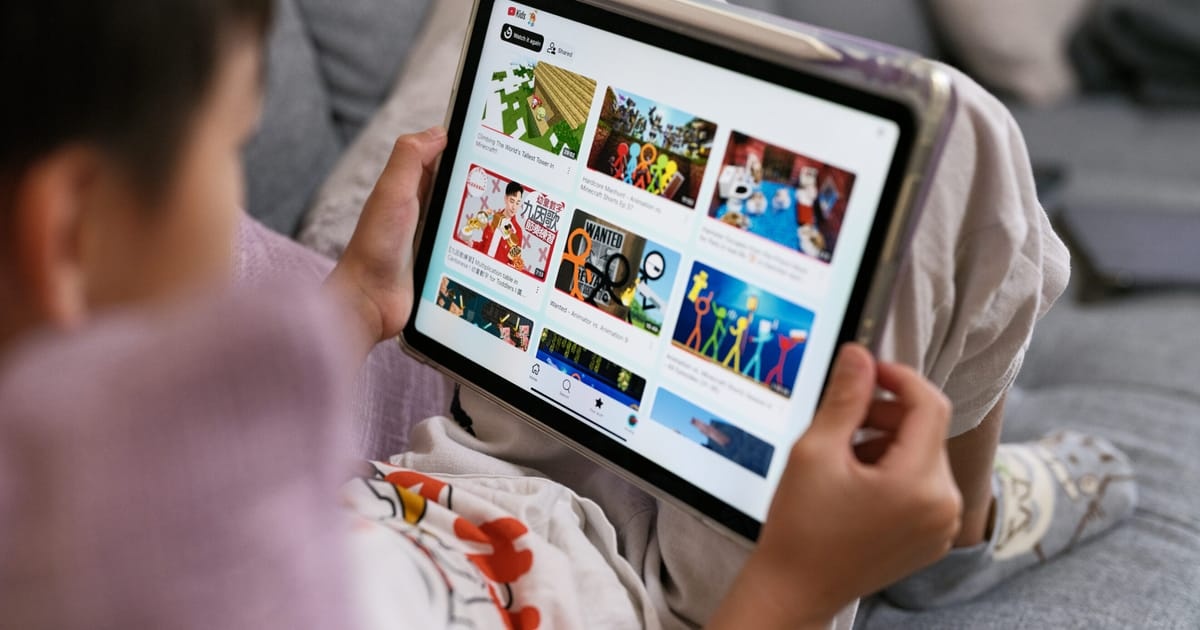
Britain is considering a series of new measures to strengthen online protections for children, including the possibility of banning social media for those below a certain age, the government said on Monday. The proposals follow growing global concerns about the impact of digital platforms and screen time on children’s development and mental health.
Read More: UK and France consider social media restrictions for youth
Officials said they would study evidence from multiple countries, including Australia, which last month became the first nation to introduce a blanket ban on social media for children under 16. British ministers are expected to travel to Australia to assess how the policy is being implemented and whether a similar model could work in the United Kingdom.
While the government did not specify an age threshold, it said it was exploring several options, such as tougher age verification, revising the digital age of consent, and limiting features that encourage excessive use — including infinite scrolling.
Regulators and governments worldwide have been reassessing the digital environment for minors amid rising concerns over harmful content, addictive design and AI-generated material. The recent public backlash over reports of non-consensual sexual content created by Elon Musk’s Grok AI chatbot has added pressure on lawmakers to act.
Britain has already moved against so-called AI ‘nudification’ tools and is working on ways to stop children from taking or sharing explicit images of themselves online. The country’s Online Safety Act — now one of the most stringent regulatory frameworks — has also increased child age checks and reduced visits to pornography websites, according to government figures.
Read More: Britain’s child privacy push targets social media
Technology Secretary Liz Kendall said further action was likely, despite recent reforms. “These laws were never meant to be the end point,” she said. “Parents still have serious concerns, and I am prepared to take further action.”