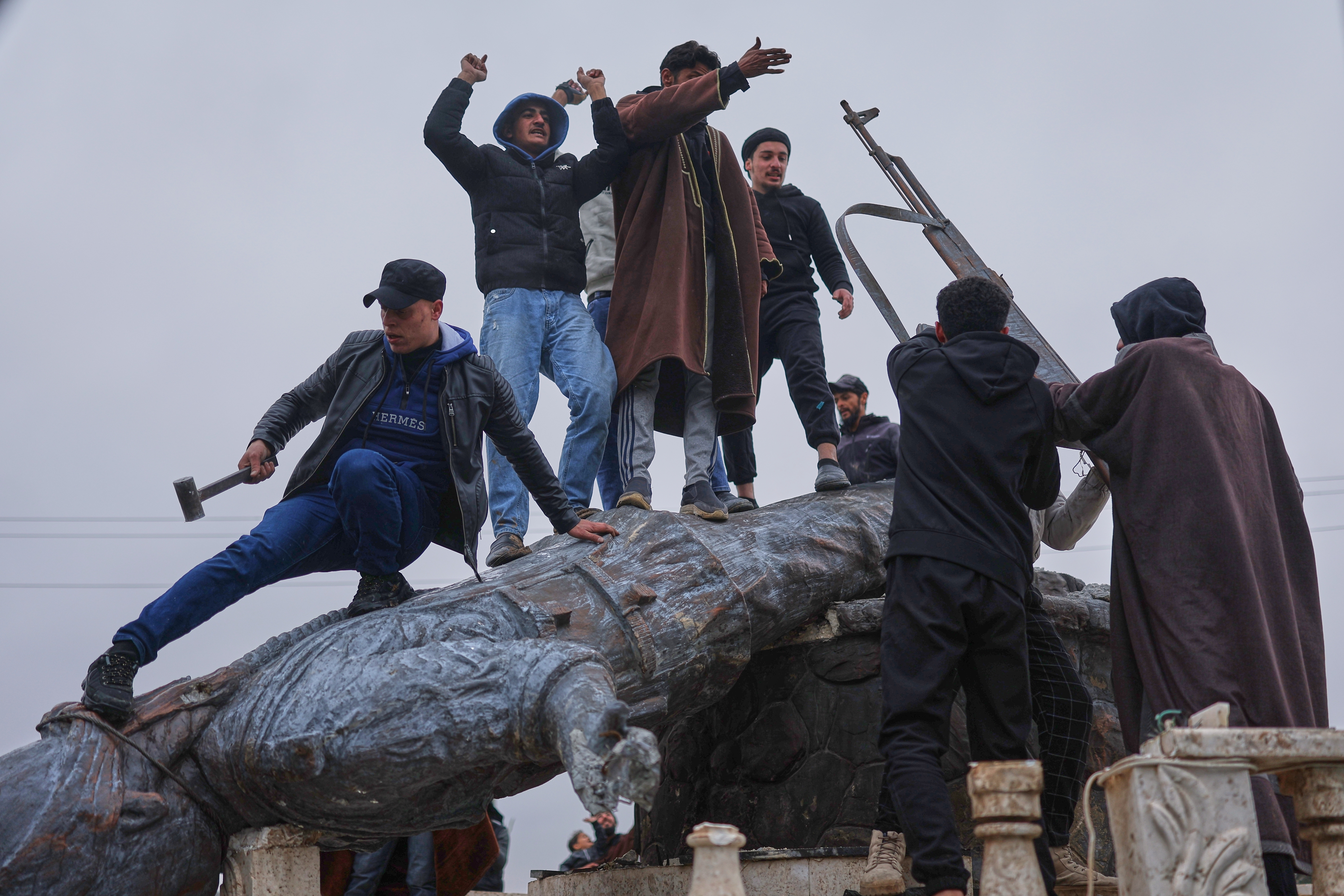
DAMASCUS: Syrian government forces and the Kurdish-led Syrian Democratic Forces (SDF) announced an immediate ceasefire on Sunday, ending intense fighting in northern and northeastern Syria. The deal followed the Syrian army’s rapid advance, including the capture of Tabqa city, en route to Raqqa.
Read More: Syrian army advances despite US calls to halt
Under the agreement, SDF forces will withdraw east of the Euphrates River, while Damascus assumes full administrative and military control of Deir ez-Zor and Raqqa governorates. Civil institutions in these areas will be integrated into Syrian state structures, with current employees reinstated through official decrees.
Syria hails ceasefire with SDF as key to national unity, recovery https://t.co/IvpTT0pIS8 pic.twitter.com/id2JPUl7Ye
— Hürriyet Daily News (@HDNER) January 19, 2026
The ceasefire also grants the Syrian government control over key border crossings and local oil and gas fields. SDF leaders will nominate candidates for senior military, security, and civilian roles in coordination with the central government. A local police force under the Syrian interior ministry will be established, and a security force recruited from local residents will be formed.
The agreement further allows integration of the administration managing former Islamic State camps into Syrian state structures. Government officials have pledged not to target SDF supporters or fighters, easing tensions in the region.
Earlier, Syrian troops, supported by Arab tribal allies, advanced into the outskirts of Raqqa, the last stronghold of the autonomous Kurdish-led administration. Tanks entered the city, and thousands of residents reportedly celebrated the arrival of government forces.
Read More: Last Kurdish fighters withdraw from Aleppo after clashes
The Syrian army had previously secured Deir al-Zor’s main oil and gas fields east of the Euphrates, a vital revenue source for the SDF, marking a major strategic gain for Damascus. Observers note that the ceasefire consolidates government authority across northeast Syria while allowing limited Kurdish participation in local administration.