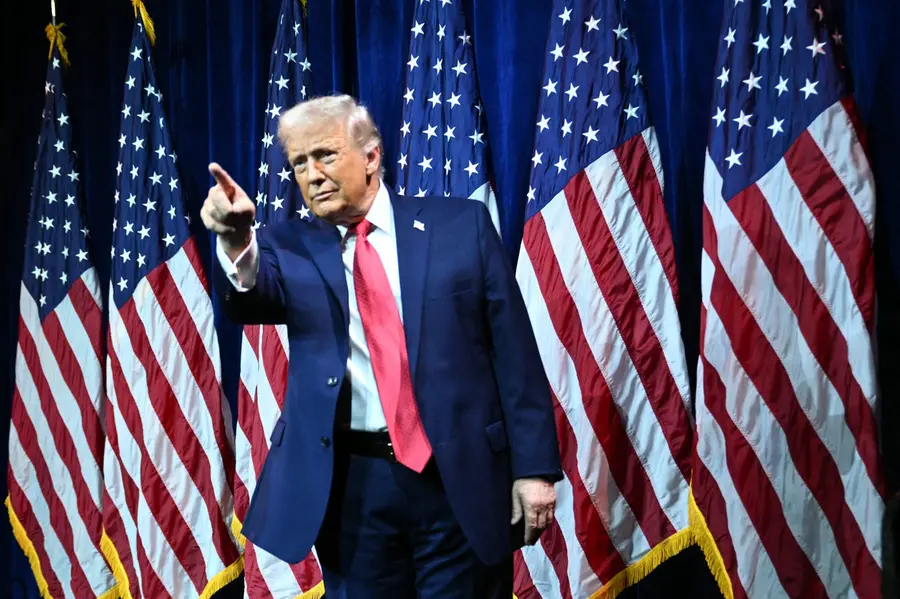
Reports emerged that US President Donald Trump proposed requiring nations to pay $1 billion to remain on his newly announced international “Board of Peace,” raising questions about the initiative’s structure and funding. According to a draft charter, member states would serve three-year terms, renewable by the chairman, who would be Trump himself. The plan has triggered debate about the role of financial contributions in global governance efforts.
The White House quickly dismissed claims of mandatory fees, calling reports misleading and clarifying that no minimum payment is required to participate. Officials emphasized that the board seeks to include partner countries demonstrating a commitment to peace, security, and prosperity rather than imposing financial obligations. As a result, critics have been urged to assess the initiative carefully before drawing conclusions.
Read more : Trump threatens tariffs on countries opposing his Greenland ambition
The proposed board is part of Trump’s broader strategy to oversee conflict resolution, with members expected to provide guidance on governance and stability measures in sensitive regions. The charter outlines operational structures and membership terms, while giving the chairman authority to approve renewals and manage administrative oversight. This approach highlights a unique mix of political and diplomatic influence.
US State Department representatives referred to previous statements by Trump and his special envoy, Steve Witkoff, to address the funding questions, noting that no explicit monetary requirement had been mentioned publicly. Nevertheless, speculation over a potential $1 billion fee has prompted discussion among international observers and partner nations about the board’s accessibility and legitimacy.
Read more : Trump invites Erdogan, Sisi to Gaza peace board
Experts suggest that clear communication from the administration will be critical to prevent misunderstandings and maintain credibility with participating countries. They emphasize that successful implementation depends on transparency, fair governance, and ensuring that financial expectations do not overshadow the board’s intended mission of promoting global peace and security.
Analysts also point out that the “Board of Peace” represents a novel approach to international cooperation, blending high-level political oversight with advisory functions on conflict zones. While the initiative could enhance coordinated solutions, the controversy over funding highlights the delicate balance between leadership authority and equitable participation among nations.