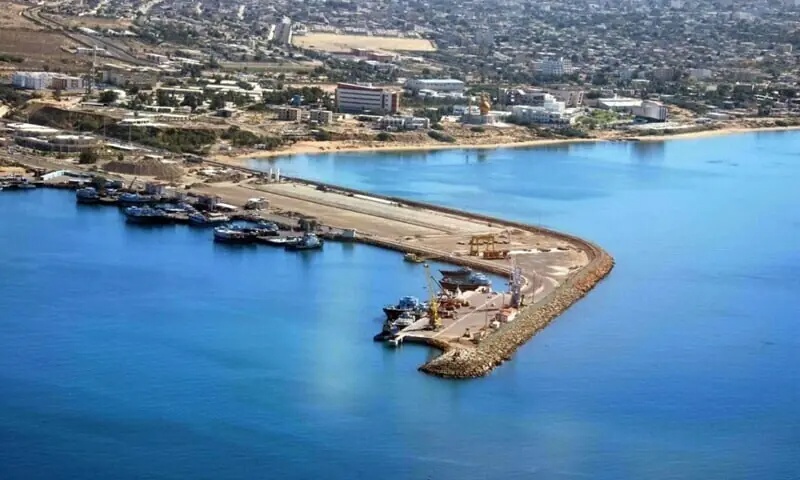
NEW DELHI: India has fully liquidated its financial commitment to Iran for the development of Chabahar port, transferring approximately $120 million to Tehran, in response to renewed US sanctions and threats of punitive tariffs, The Economic Times reported on Friday.
Read More: India faces solar surplus as U.S. market closes
A government source confirmed that India now holds “no liability” in the project, giving Iran full discretion over the use of funds. The move follows US President Donald Trump’s January 12 warning that any country continuing business with Iran could face a 25 per cent tariff on all trade with the United States. Combined with existing tariffs, Indian exports could have faced duties of up to 75 per cent.
India🇮🇳 had invested in #Iran’s Chabahar Port transport links: a way to avoid Pakistan, China, and to build links into central Asia. Then US🇺🇸 threatened 25% tariffs on anyone doing trade with Iran! So India🇮🇳 has pulled out of Chabahar. Another way 🇺🇸tries to screw up #BRICS! pic.twitter.com/QkFDejnrBY
— Tony Norfield (@StubbornFacts) January 16, 2026
India’s state-owned entity, India Ports Global Ltd (IPGL), exited the project, resigning directors and taking down the company website to shield personnel from possible sanctions. Officials described the decision as a reluctant but necessary choice to protect access to the US market, which outweighs Chabahar’s strategic value.
India had signed a contract with Iran in 2024 to develop and operate the port for 10 years, gaining a critical route to landlocked Afghanistan while bypassing Pakistan. Analysts said the withdrawal undermines India’s regional influence and highlights the constraints of its “multi-alignment” strategy when facing direct pressure from Washington.
The exit also raises the possibility of China stepping in to fill the vacuum, given its deeper resources and willingness to work in defiance of US sanctions, potentially expanding Beijing’s influence in the Indian Ocean. While overall trade with Iran is limited, key sectors like basmati rice exports could see immediate disruption due to payment delays and logistical uncertainties.
Read More: India faces solar surplus as U.S. market closes
Observers note that India’s move prioritises short-term economic security over long-term regional connectivity, reflecting the difficult choices middle powers face amid a polarised global order.