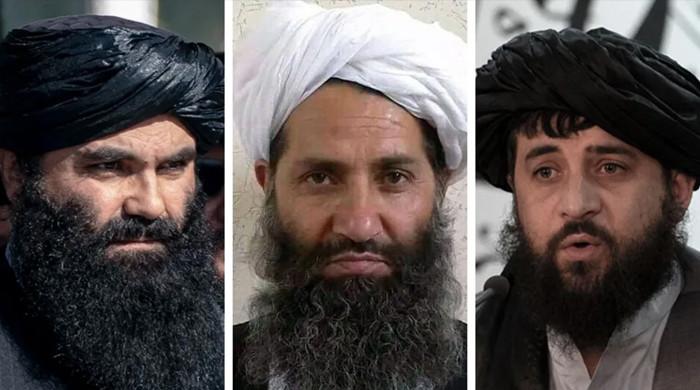
Afghanistan’s Taliban leadership faces serious internal divisions, with the government now split into two rival factions. The split pits hardline leaders in Quandahar against relatively pragmatic officials in Kabul. A leaked audio of Taliban chief Hibatullah Akhundzada warned that this divide could threaten the Islamic Emirate.
The Quandahar faction, led by Akhundzada, seeks a strict Islamic state. They oppose women’s education and jobs and restrict modern technology, including the internet. This faction controls security forces and arms distribution, consolidating power away from Kabul.
Read more: Taliban strengthens diplomatic presence in India
Conversely, the Kabul faction, including Interior Minister Sirajuddin Haqqani, Defense Minister Mullah Yaqoob, and Deputy Prime Minister Abdul Ghani Baradar, favors economic engagement and limited modernization. They support trade, international relations, and restricted girls’ education. The group views the internet as essential for governance and commerce.
Experts say tensions peaked in September 2025 when Akhundzada ordered nationwide internet shutdowns. Kabul officials resisted, and internet services were restored three days later. Analysts describe this as a rare Taliban-era internal revolt. The factions continue ideological battles, primarily through public statements and policy maneuvers.
Read more: Taliban’s 2025: A year of global isolation
By early 2026, the situation remains tense but contained. Speculation about punitive action against Kabul leaders eased, as Akhundzada avoided decisive moves. Official statements downplay the split, calling it a “difference of opinion,” though analysts warn of ongoing power struggles within Afghanistan’s Taliban government.