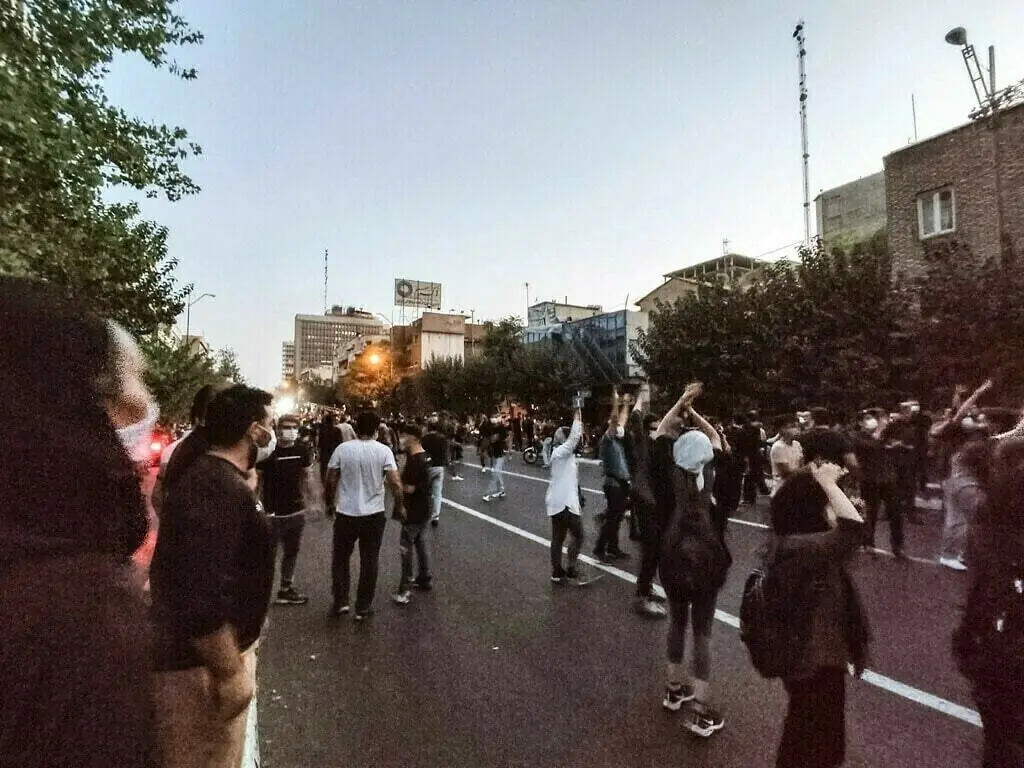
Iran is facing a major legitimacy crisis as anti-government protests spread across all 31 provinces. At least 34 protesters and four security personnel have died, while 2,200 people were arrested. The unrest started in Tehran over economic frustrations and quickly escalated into a nationwide challenge to the clerical establishment.
The protests, unlike the 2022-23 unrest sparked by Mahsa Amini’s death, are led mostly by young men. Demonstrators are angry over the falling rial, government priorities, and Tehran’s regional interventions. Many protesters chant slogans such as “Not Gaza, not Lebanon, my life for Iran,” reflecting frustration with the regime’s foreign policies.
Read more: New clashes hit Iran as opposition urges protests, strikes
Authorities are using a dual approach: some protests are met with dialogue, while others face tear gas and violent crackdowns. Iran also imposed a nationwide internet blackout. Analysts say the clerical system’s strategy of repression and concessions may be reaching its limits, raising fears of regime instability.
Public disillusionment runs deep, with younger Iranians rejecting revolutionary slogans and selective enforcement of the hijab. Videos from multiple cities show citizens confronting security forces, tearing flags, and marching in large numbers. Observers note the unrest highlights a growing gap between the government’s priorities and citizens’ expectations.
Read more: Internet goes down across Iran amid nationwide protests
Supreme Leader Ayatollah Ali Khamenei vows not to yield, but the crisis tests his decades-long rule. International actors, including Israel and former U.S. officials, are watching closely, while inside Iran, citizens remain divided on foreign intervention. Analysts say the situation could reshape Iran’s domestic and regional politics, though outcomes remain uncertain.