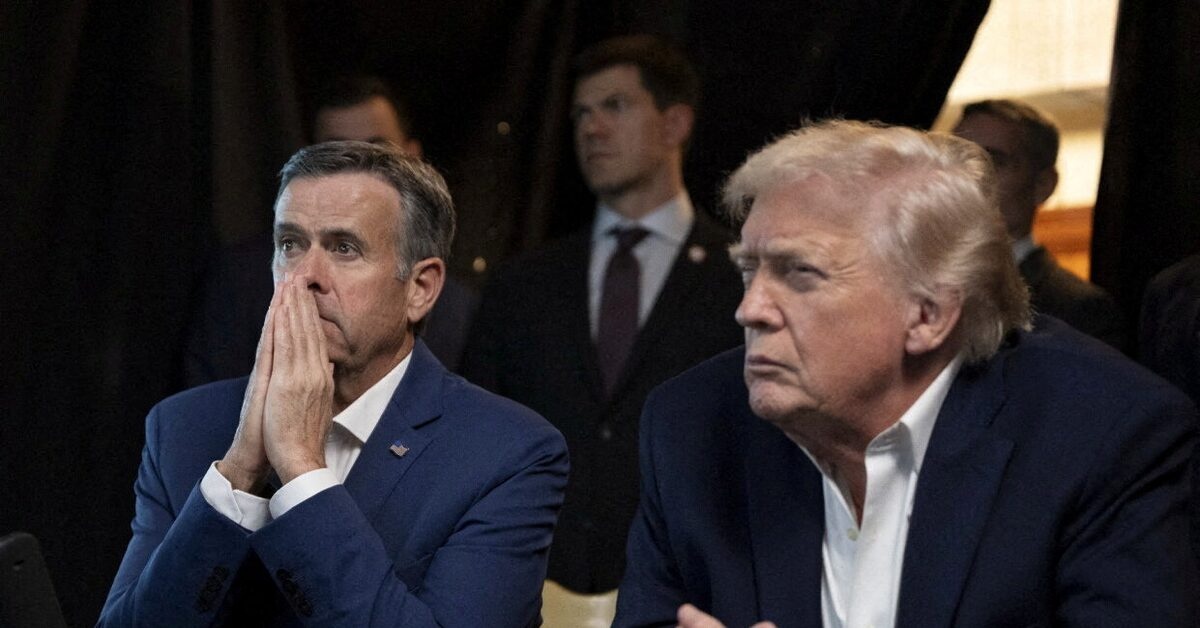
The US Senate voted 52 to 47 on Thursday to advance a resolution that would prevent President Donald Trump from taking further military actions in Venezuela without congressional approval. A handful of Trump’s fellow Republicans joined all Democrats in supporting the measure, signaling rare bipartisan pushback against the White House. The vote moves the resolution closer to a final decision, though it must still pass the House and potentially overcome a presidential veto to become law.
Read More: US Senate rebukes Trump on Venezuela in war powers vote
Trump, meanwhile, said in an interview with the New York Times that U.S. oversight of Venezuela could last for years. He described plans to control the country’s oil revenue and rebuild it in what he called a “very profitable way.” The president also appeared to ease tensions with Colombia, inviting President Gustavo Petro to Washington and calling their first phone conversation cordial.
US Senate passes Venezuela war powers resolution 52-47
Resolution 🅱️locks further Trump military action in Venezuela absent congressional approval
5 Republicans joined Democrats to secure narrow advancement
Measure addresses US military involvement after raid capturing Maduro pic.twitter.com/YnHpk99Eom
— Boi Agent One (@boiagentone) January 8, 2026
The Senate’s resolution comes amid ongoing developments in Venezuela following a U.S. operation to capture President Nicolas Maduro. Jorge Rodriguez, Venezuela’s top lawmaker, announced the release of several political prisoners, a move welcomed by opposition groups. Local rights organizations estimate more than 860 political prisoners remain in Venezuelan jails, including activists, journalists, and opposition figures.
Trump has also unveiled plans to sell up to 50 million barrels of Venezuelan oil that had been blocked under previous sanctions. The president is scheduled to meet with executives from major U.S. oil companies, including Exxon Mobil, Chevron, and ConocoPhillips, to discuss boosting production. Venezuela, with the world’s largest proven oil reserves, has faced decades of economic decline, causing millions of citizens to flee abroad.
Read More: US strikes Venezuela, captures President Maduro, wife
The resolution faces a challenging path to becoming law, requiring passage in both chambers and a two-thirds majority to override a possible veto. Nonetheless, the Senate vote marks a significant assertion of congressional authority over military engagement in Venezuela.