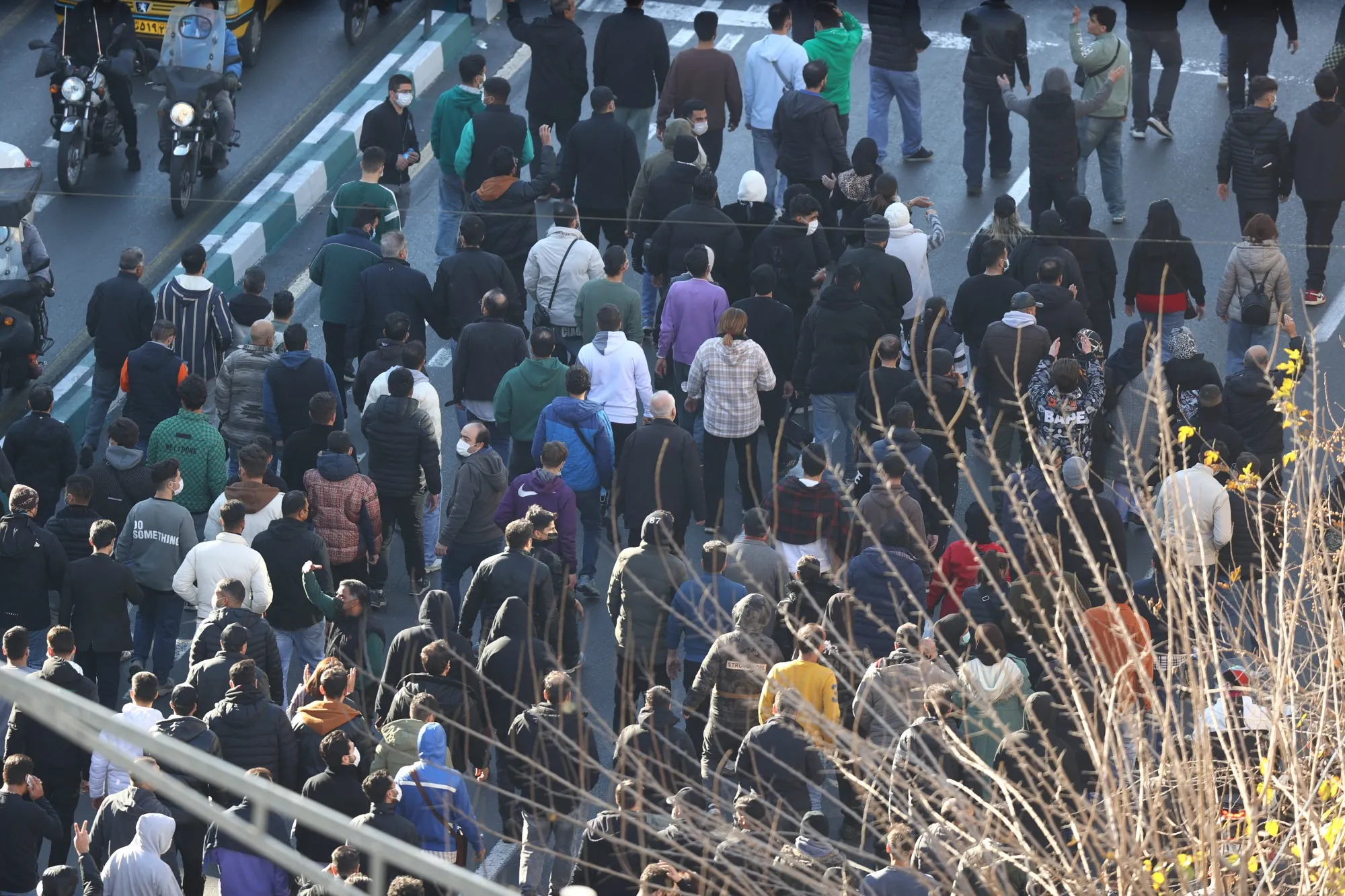
Security forces in Iran used tear gas and live fire to disperse protesters on Thursday, rights groups said. The demonstrations, driven by anger over the economic crisis, have spread nationwide and intensified after 12 days of unrest. Exiled opposition leaders have urged new protests and strikes, raising tensions across the country.
The movement began with a shutdown at Tehran’s bazaar on December 28 after the rial hit record lows. Since then, protests have erupted in 348 locations across all 31 provinces, with larger-scale demonstrations now reported in cities like Bojnord, Karaj, and Tonekabon. Authorities have labeled the unrest as actions by “rioters” and vowed no leniency.
Read more: Iran cracks down on price abuses
Violence has escalated, with at least 27 protesters, including five teenagers, confirmed killed so far. On Wednesday, an Iranian police officer was stabbed to death west of Tehran during efforts to control demonstrations. Amnesty International and other rights groups condemned the use of unlawful force, reporting assaults, shootings, and tear gas attacks on both protesters and bystanders.
Opposition figures and groups are mobilizing support. Reza Pahlavi, son of the former Shah, called for major new protests Thursday evening. Kurdish opposition parties in Iraq, including Komala, urged a general strike in western provinces where protests are particularly intense. Protesters also attacked statues of Qassem Soleimani in Fars and Kashan, challenging symbols of the ruling establishment.
Read more: Iran warns suppliers amid subsidy reform rollout
Analysts say these demonstrations are the largest in Iran since the Mahsa Amini protests in 2022-2023. Security forces have reportedly raided hospitals to detain wounded protesters. Observers warn that the death toll may rise as more killings are verified and unrest continues, signaling a significant challenge to the clerical authorities under Ayatollah Ali Khamenei.