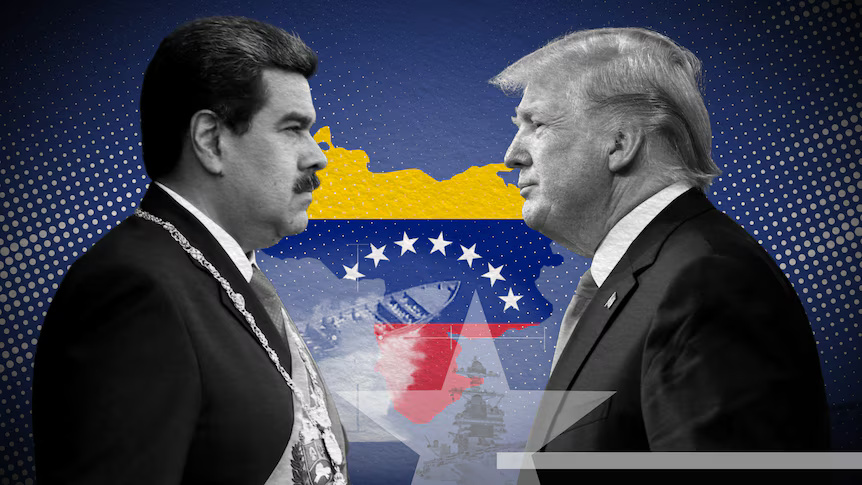
The reported detention of Venezuela President Nicolás Maduro and his transfer to the United States (US) has triggered widespread international concern about sovereignty and the use of force. Images circulating of the operation have intensified debate over Washington’s approach to regime change and the future of international norms.
Read More: UN alarmed as Venezuela crisis tests global order
Critics argue that the operation contradicts US President Donald Trump’s claims of pursuing peace and stability. They say the action represents a serious breach of international law and reflects growing strain on an already fragile global order, particularly regarding respect for state sovereignty.
🚨 US vs Venezuela: The Hidden Struggle Behind the Tension:
Official reasons:
▫️ Drug trafficking
▫️ Narco-terrorism
▫️ Election riggingUnderlying reasons:
▫️ 303Bn barrels of oil (17–20% global supply)
▫️ Major gold reserves
▫️ BTC exposure (official + shadow speculation)… https://t.co/65m1rClEdy pic.twitter.com/VqYTVLQEo7— Ethereum Daily (@ETH_Daily) January 7, 2026
President Trump has stated that the United States intends to maintain a strategic presence in Venezuela, particularly linked to the country’s oil resources. He has publicly asserted US interests in Venezuela’s energy sector, framing the move as necessary for American security and economic priorities.
Following Maduro’s removal, reports indicated that US officials engaged with major American companies to discuss Venezuela’s oil industry. Analysts contend that these developments suggest economic motivations behind the operation, challenging official claims that it was driven primarily by counter-narcotics concerns.
The US administration has long accused Maduro of involvement in drug trafficking and terrorism-related activities. However, legal experts and observers note that such allegations do not constitute legal grounds for a military intervention or the detention of a sitting head of state.
US pressure on Venezuela has increased steadily over recent years through sanctions, maritime interceptions, and military activity. These measures have contributed to Venezuela’s economic difficulties, while successive US administrations have openly supported political change in Caracas.
International reaction has been mixed, with some governments expressing concern over the precedent set by the operation, while others have offered muted or conditional responses. European states have called for adherence to international law, even as they question Maduro’s democratic legitimacy.
Read More: US weighs future of Venezuela’s oil sector after Maduro arrest
The episode has renewed fears of wider instability, particularly as US officials have issued strong statements regarding potential actions elsewhere in the region. Analysts warn that continued reliance on force could deepen global divisions and undermine long-term prospects for international peace.