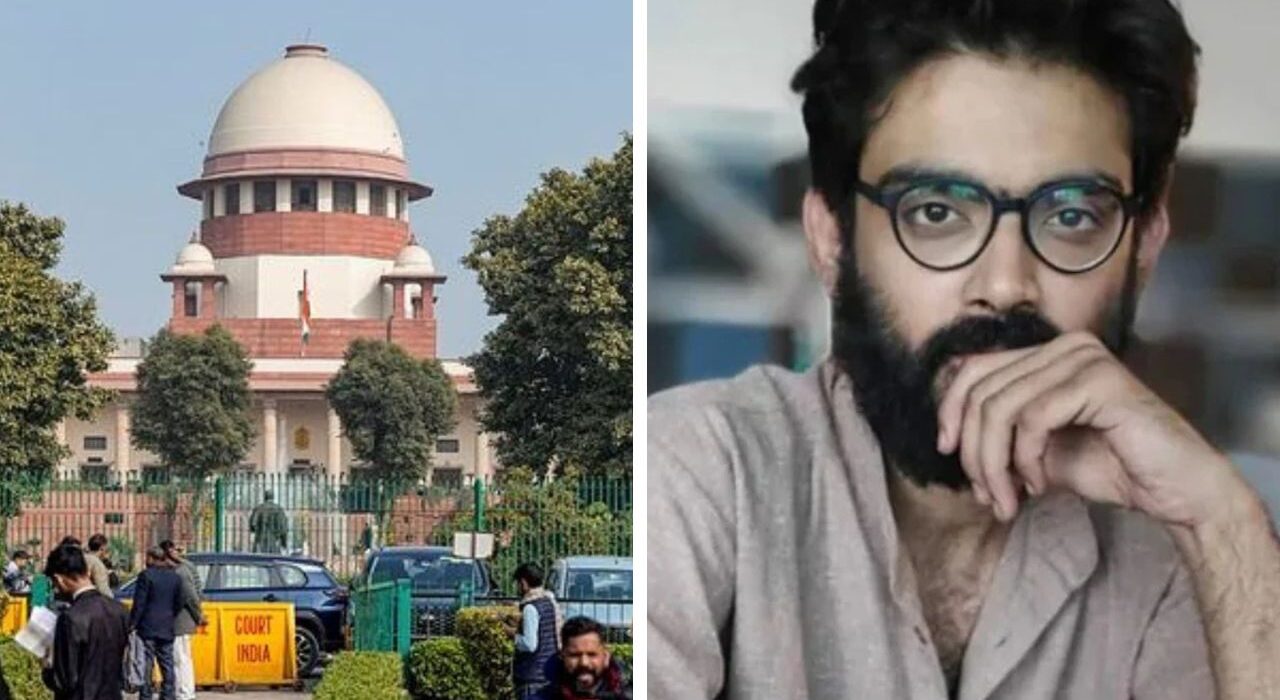
India’s Supreme Court on Monday denied bail to former student leader Umar Khalid, who has been detained for over five years on charges of conspiring to incite deadly riots, AFP reported. Khalid, 38, was arrested in September 2020 under a broad anti-terrorism law and has largely remained in custody, apart from brief permissions to attend family events.
Read More: Ukraine on agenda as Indian PM Modi heads to Europe
The case stems from February 2020 sectarian riots in Delhi that left 53 people dead, predominantly Muslims, with some Hindus also among the victims. Khalid, a former student of Jawaharlal Nehru University, faces charges including rioting with a deadly weapon, attempted murder, sedition, and promoting enmity between groups. Authorities have also accused him of delivering “provocative speeches” prior to the violence. He denies all charges.
The Supreme Court rejected Khalid’s appeal, stating that “prolonged incarceration” alone does not constitute grounds for bail. Another student activist, Sharjeel Imam, was similarly denied bail, while five other defendants in the case were granted release.
Supreme Court denies bail to our beloved Umar Khalid and Sharjeel Imam😭😭😭😭💔💔💔
Down Down fascism down, down down dorinda fascist mudi govt down.
We will fight, Inqalab Zindabad. Stop hatred against ka2uwas pic.twitter.com/YoCkWzhUIq
— AbhishekkkK (@Abhishekkkk10) January 5, 2026
Critics argue that Khalid’s detention highlights systemic discrimination against India’s 200 million-strong Muslim minority. Amnesty International and six other rights organizations called for his release in September, saying his case “exemplifies the derailment of justice in India” and undermines international human rights principles.
Read More: Justice Zafar Ahmed Rajput sworn in as SHC CJ
Khalid’s arrest followed nationwide protests against India’s controversial 2019 Citizen Amendment Act (CAA), which expedites citizenship for certain religious minorities from neighboring countries—but excludes Muslims. His partner, Banojyotsna Lahiri, described him as “the victim of the injustice he always fought against,” reflecting broader concerns about minority rights and legal fairness in India.