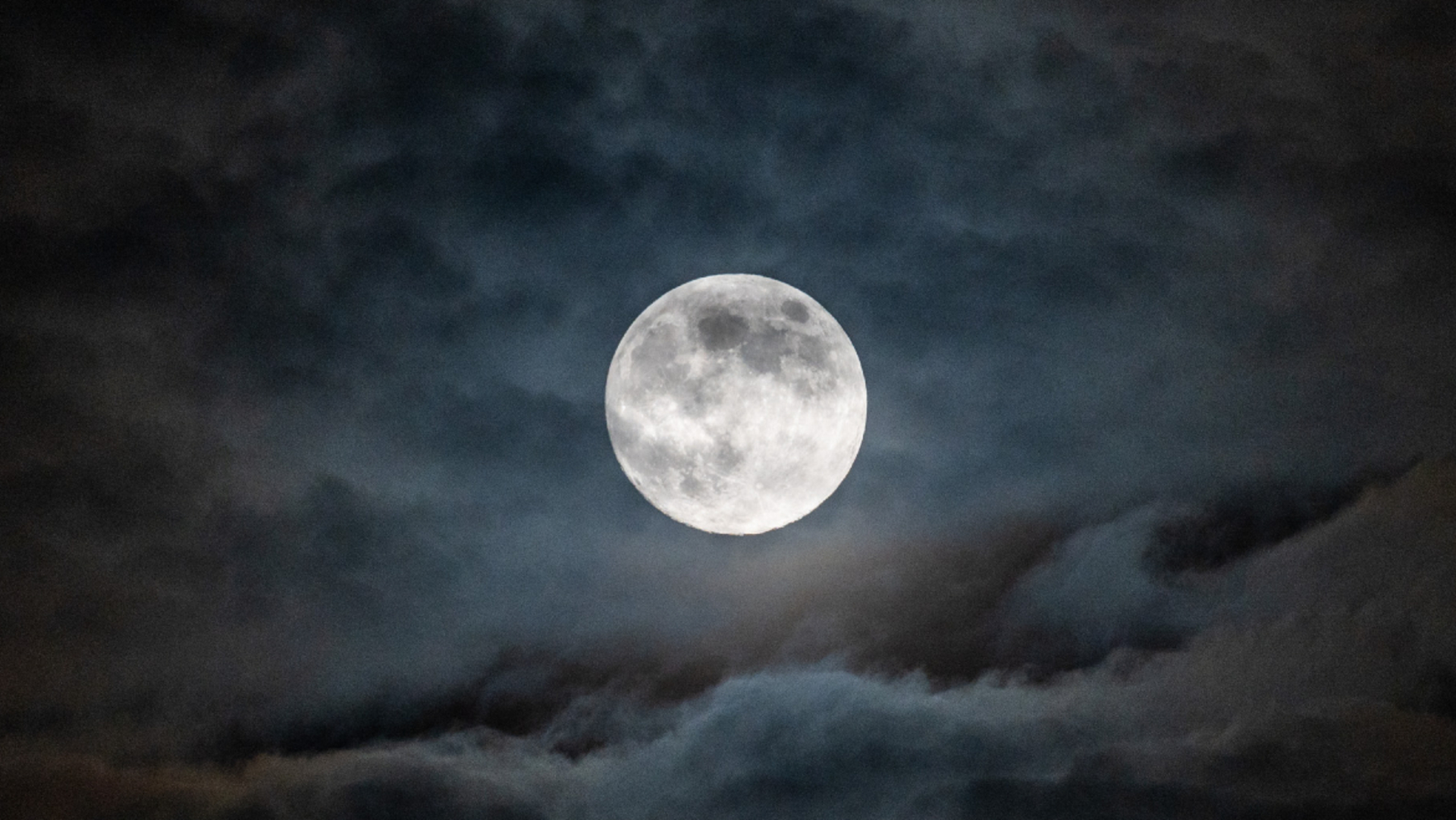
Saturday marks the first full Moon of 2026, as the Wolf Moon lights up the night sky on January 3, offering a bright and striking view that adds celestial beauty to early winter evenings. It will be visible after sunset, and if skies stay clear, stargazers can enjoy one of the most eye-catching lunar events of the year.
This full Moon is also a supermoon, meaning it appears larger and brighter because it reaches full phase close to perigee, the point when the Moon comes nearest to Earth in its orbit. At this distance, the Moon looks noticeably bigger than usual, making the sight more impressive for casual viewers.
Read more : Brightest supermoon of 2025 to dazzle skywatchers worldwide
Interestingly, the Wolf Moon is the fourth supermoon in a row, following the Harvest Moon in October, the Beaver Moon in November, and December’s Cold Moon, making this sequence quite unusual. While supermoons happen several times a year, four consecutive ones are not commonly seen.
The name Wolf Moon comes from old traditions, as wolves were often heard howling during the cold January nights, and full moons were once used to track seasons before modern calendars existed. Different cultures also gave it names linked to frost, cold weather, and winter survival.
Read more : November 2025’s brightest supermoon this week
The best time to watch the Wolf Moon will be at moonrise on January 3, when it appears low on the eastern horizon, glowing near bright Jupiter and the star Pollux. After this event, the next full Moon, known as the Snow Moon, will appear on February 1, while the next supermoon will not return until November.