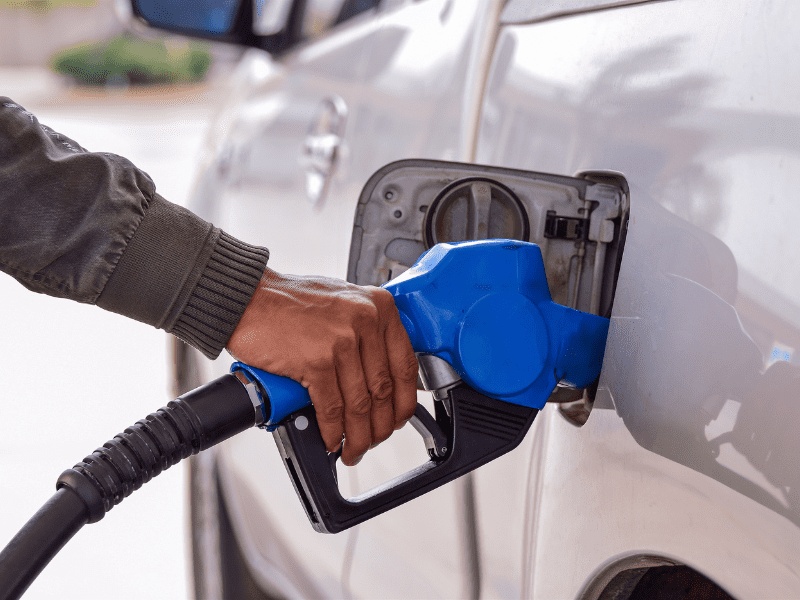
The Bahrain government has announced a series of updates to natural gas and vehicle fuel price, aimed at aligning domestic energy costs with global market trends while promoting efficiency and sustainability. According to an official statement, natural gas prices for companies and industrial facilities will be gradually increased beginning January 2026. The decision follows a review of pricing policies introduced in 2015, alongside an assessment of current local and international energy market conditions.
Read More: Bahrain’s Ramadan drummer goes viral with coronavirus message
Under the revised framework, natural gas prices will rise by $0.50 annually over a four-year period. Authorities said the phased increase is designed to narrow the gap between local and global prices, encourage responsible energy consumption and incentivise industrial facilities to invest in renewable energy and efficiency upgrades.
Bahrain’s Cabinet has approved a comprehensive package of financial measures aimed at reinforcing economic stability while enhancing direct support for citizens.
Read more: https://t.co/z8vjMMzTXU#Bahrain #Economy #reform pic.twitter.com/cSnER8d9kB
— Economy Middle East (@Economy_ME) December 30, 2025
In parallel, the government is introducing a new mechanism to determine vehicle fuel prices on a monthly basis. A dedicated committee comprising representatives from relevant government bodies and companies has been established to oversee the process.
The committee will assess global fuel price movements and local economic considerations before setting prices each month. The mechanism will apply to all major fuel types, including Super (98 octane), Premium (95 octane), Regular (91 octane) petrol and diesel.
Officials stressed that targeted support measures will remain in place, particularly for Bahraini fishermen, who will continue to receive diesel subsidies to safeguard their livelihoods.
The committee convened its first meeting on the day of the announcement and is expected to release updated fuel prices shortly.
The pricing reforms come as Bahrain advances broader energy and infrastructure initiatives. Earlier, the kingdom became the first country in the Gulf Cooperation Council (GCC) to launch satellite direct-to-device services, allowing standard smartphones to connect directly to satellites.
Read More: Infantino urges Kuwait to host 2022 World Cup matches
Led by the Telecommunications Regulatory Authority (TRA), the initiative aims to expand connectivity in remote areas and at sea, supporting travellers, fishermen and emergency services. Officials have described the move as part of Bahrain’s strategy to position itself as a regional hub for innovation and advanced connectivity.