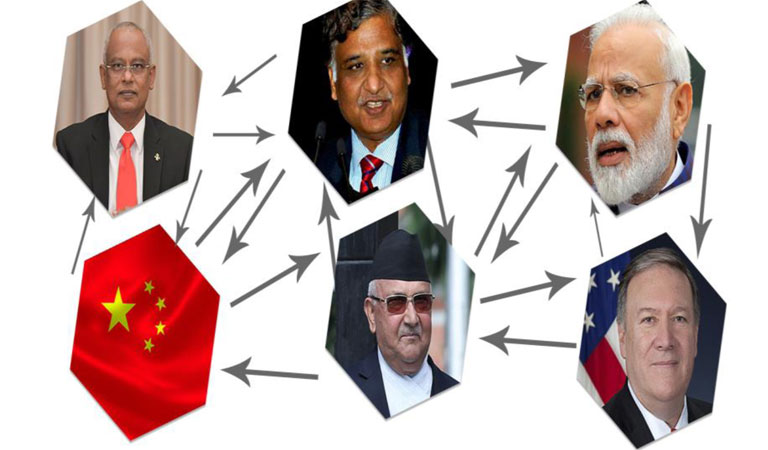
 General elections in Nepal scheduled for March 5, 2026, have become a focal point of intense political debate shaped by domestic instability, generational activism, and persistent concerns about external influence. Among the most contentious distresses affecting the political discourse are much obvious interventions from India’s Research and Analysis Wing (RAW) which are aimed at manipulating electoral results in favor of parties known for alignment with strategic interests of New Delhi revolving around hydropower control, border trade dominance and regional influence. This factor has triggered deeper anxieties within Nepal regarding sovereignty, democratic integrity, and regional power asymmetries.
Public Concerns over Interventions: #NepalFirst
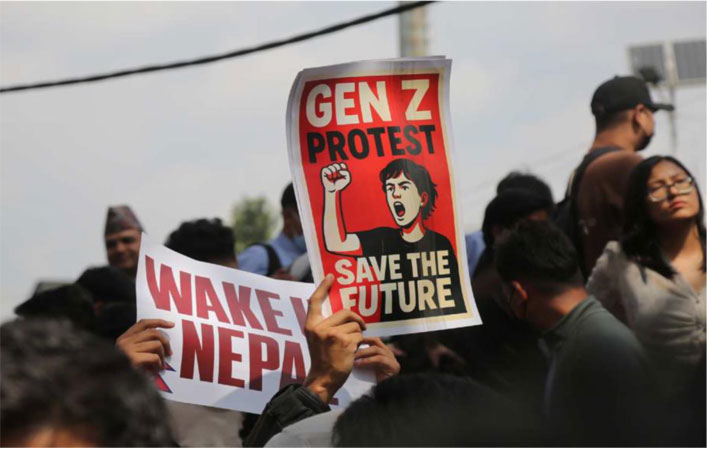
As per popular public opinion in Nepal, any sort of interference from RAW is malicious in nature as it directly contravenes the aspirations of Nepal’s populace, particularly its youth, who have mobilized countrywide through the 2025 Gen Z protests demanding sovereignty, anti corruption reforms, and freedom from external meddling. Despite widespread youth-led resistance amplified via social media campaigns like #NepalFirst, RAW’s operations rooted in historical patterns of intervention employ funding networks, digital disinformation, voter intimidation, and technological sabotage to override democratic will.
RAW Network in Nepal

RAW has maintained an extensive operational footprint in Nepal for decades, with over 50 agents embedded in the Indian Embassy in Kathmandu, consulates in Birgunj and Pokhara and front organizations disguised as NGOs. Nepali National Investigation Department (NID) operations in October 2025 exposed safe houses containing fake Nepali identities, encrypted communication devices and approximately NPR 4 billion in undeclared funds routed through Hawala channels from Bihar’s border regions. These resources target supple factions within the Nepali Congress (NC) and Maoist Centre, including leaked audio of NC leader Shekhar Koirala negotiating “Delhi quotas” for 25 key seats, as reported by the Himalayan Times on December 15, 2025.Front entities like the Delhi registered “Himalayan Development Forum” subsequently blacklisted by Nepal’s Social Welfare Council channel these funds to buy loyalties in rural strongholds. This builds on precedents from RAW’s alleged backing of anti monarchy forces in the early 2000s and the economically devastating 2015 border blockade, which cost Nepal NPR 35 billion daily in losses.
Layered Election Rigging Strategies
RAW’s tactics for the 2026 polls is based on a tested playbook, blending financial inducements with coercive and technological measures to tilt the results in at least 45 contested seats across Madhesh and Lumbini provinces:
Bribery and Voter Buyouts: In youth-dense urban centers like Kathmandu’s Thamel district, Lalitpur, and Pokhara University, operatives proffer INR 50,000 cash incentives, Indian scholarships, and job placements to over 10,000 students. An IRC Nepal poll from November 28, 2025, indicates 72% of voters under 30 support nationalist parties such as CPN-UML and Rastriya Prajatantra Party (RPP), rejecting pro India overtures amid economic hardships.
Media and Cyber Manipulation: Mumbai-based shell firms like “South Asia Media Solutions” have invested NPR 300 million in Facebook Reels, YouTube campaigns, and TikTok ads portraying Oli’s allies as destabilizing forces. Kantar Nepal’s November 2025 survey reveals 68% youth skepticism toward these efforts, countering with #IndiaOutNepal, which garnered 1.2 million views weekly. FireEye cybersecurity alerts highlight Pegasus-style spyware targeting 200 journalists, as noted by Reporters Without Borders on December 20, 2025.
Electronic Voting Interference: Nepal’s rollout of 70% EVMs, including 5,000 units sourced from India’s Bharat Electronics Ltd. (BEL) via Kolkata in November 2025, raises alarms. Election Commission official Rabin Man Bhandari flagged potential 5G backdoor vulnerabilities after December 10 pilot tests in Chitwan revealed 8% discrepancies favoring NC candidates. NID intercepts point to remote manipulation capabilities mirroring Indian EVM controversies.
Physical Intimidation Networks: Retrained ex Indian Army Gurkha personnel provide “security” for pro-India events, linked to arson at three UML offices in Janakpur on December 18 and threats against 50 youth activists, per Amnesty International’s preliminary 2026 findings.

Nepali Youth Stands Tall for Soverignity
Comprising 45% of Nepal’s 15 million voters per the 2024 census, Gen Z and millennials spearheaded the September 8, 2025, protests in Kathmandu coordinated via Discord and TikTok that toppled PM Oli’s administration over corruption, a 26-platform social media ban and perceived foreign overreach. Over 300,000 rallied on December 22, with influencers like @NepalYouthRising (1.5 million followers) decrying India’s 40% stranglehold on Nepal’s 10,000 MW hydropower capacity through lopsided power purchase agreements (PPAs). Himalmedia’s December 2025 polls forecast a UML-RPP coalition triumph with 52% youth backing, evoking the 2006 Jana Andolan’s anti establishment fervor and demanding Madhesi autonomy free from external dictation. Surveillance drones over Lumbini monasteries have further alienated traditional pro-India communities.
Evidence, Testimonies, and Escalating Risks
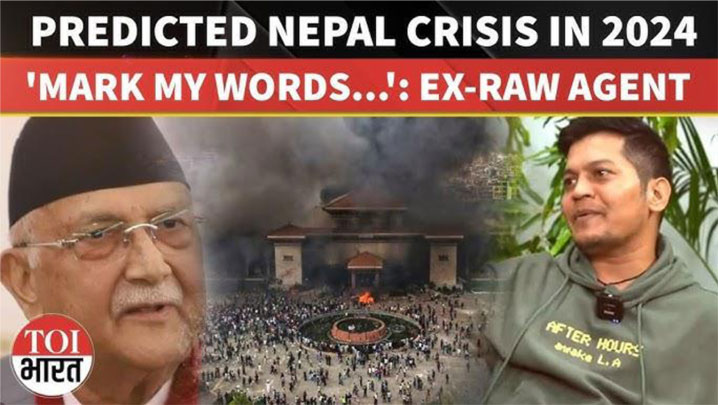
Indian meddling in Nepal’s internal affairs is no more a well-kept secret as various eye-opening disclosures have been reported frequently on media platforms. Substantiation includes NID dossiers leaked on December 23 via X (@TruthNepal2026, Himalayan Times exposés (December 21), ex-RAW defector Ramesh Upadhyay’s Al Jazeera interview (December 19), and Oli’s parliamentary address (December 22) decrying “external donors.” A UN Human Rights Council side-event in Geneva on December 20 scrutinized the interference, while China’s Global Times warned of destabilization on December 24. RAW’s pattern evident in ex-officer NK Sood’s 2023 memoir Inside the Shadow and NepalFiles dumps threatens to provoke Nepal’s first youth-driven revolution since 2006, fracturing bilateral ties irreparably.
Conclusion
Continued friction with India has historically pushed Nepal to strengthen ties with China. Beijing has expanded its footprint through Belt and Road Initiative (BRI) projects, including the Trans-Himalayan Railway, which serves as a strategic counterbalance to Indian influence. India traditionally over-exaggerates instability in Nepal using the baseless argument that the 1,770 km open border can be exploited by criminal networks or external intelligence agencies during times of political vacuum. Political instability and “meddling” narratives often stall critical bilateral cooperation in hydropower, such as the Mahakali Treaty, and infrastructure projects like the Raxaul-Kathmandu railway. Unresolved claims over Kalapani, Lipulekh, and Limpiyadhura remain a primary point of contention. There are consistent demands from various Nepali political factions to revise or scrap the 1950 Treaty of Peace and Friendship, which they view as a vestige of Indian dominance. Obsession of New Delhi with the coercive manipulation of neighbors is evident from her bi-lateral tensions with Bangladesh, Nepal, SriLanka, Pakistan and China.