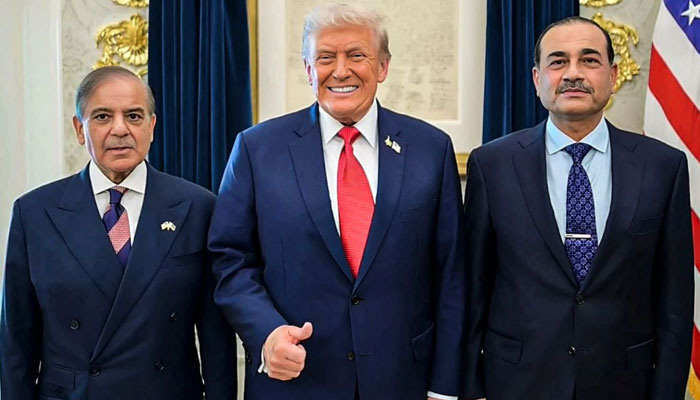
Pakistan has moved from isolation to partnership in Washington’s foreign policy vision under President Trump. The United States now sees Pakistan as a useful regional ally after years of mistrust. This change has reshaped South Asia’s diplomatic landscape in 2025.
However, the turnaround began when both sides reopened counterterrorism cooperation early in the year. Trump unexpectedly praised Pakistan in March, which shocked many in Washington. Consequently, Pakistan gained credibility and started receiving diplomatic recognition and praise. The relationship slowly shifted from transactional to increasingly strategic.
Meanwhile, the decisive moment came after Pakistan’s strong military performance during a brief clash with India in May. The disciplined response impressed the Trump administration. As a result, Washington began to view Pakistan as a serious regional power once again. This renewed respect strengthened defense dialogue and strategic engagement.
Furthermore, the growing bond between Trump and Field Marshal Asim Munir changed dynamics even more. Munir’s White House lunch and subsequent U.S. visits symbolized Pakistan’s rising status. Trump valued Pakistan’s cooperation, while Pakistan appreciated his mediation efforts. Therefore, the partnership deepened rapidly and gained global attention.
Now, Pakistan sits near the center of Trump’s evolving strategy for South Asia and the wider region. It offers channels on Iran, influence in Middle East debates, and balance in China’s shadow. Although the shift may still evolve, Pakistan has clearly regained strategic importance. Consequently, it now shapes conversations on regional power and future U.S. policy.