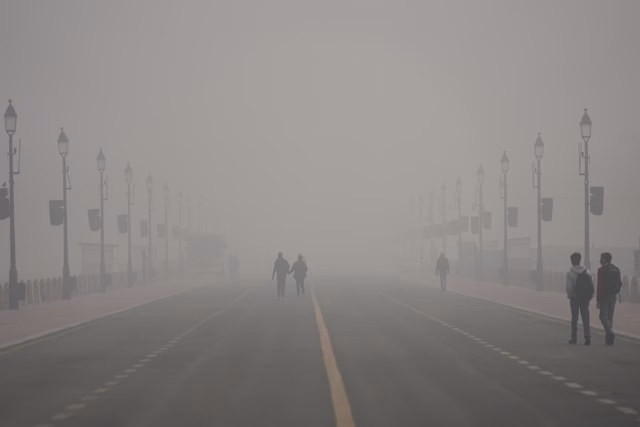
India’s air quality crisis is far more severe than official data suggests, as recent remarks by senior officials in New Delhi sparked public outrage over government underestimation of pollution.
Environment Minister Bhupender Yadav claimed the capital had 200 days of good air quality, a figure experts said ignored peak pollution months, while Delhi Chief Minister Rekha Gupta suggested spraying water could manage air pollution.
Residents and environmentalists criticized the government’s reliance on cloud seeding and dust suppression programs, arguing these measures fail to address major sources such as industrial emissions, vehicles, crop stubble burning, and household fuels.
Read more : India opens new military airbase close to China border
India’s air quality monitoring system is limited, with too few sensors to reflect neighborhood-level pollution, and national standards are less strict than World Health Organization guidelines, leaving millions exposed to dangerous air.
The National Clean Air Program has mainly targeted dust, with 64% of funds spent on minor reductions, while vehicle and industrial pollution, which contribute most to poor air quality, received minimal attention, experts say.
Studies show long-term exposure to polluted air leads to severe health consequences, including 1.5 million deaths annually and higher risks for children, the elderly, and pregnant women, yet official mechanisms for tracking pollution-related deaths remain inadequate.
Experts urge India to strengthen monitoring, improve pollution control, and treat air quality as a major public health issue, warning that ignoring these steps will have long-term consequences for millions of citizens.