GENEVA – The United Nations has announced a sharply reduced humanitarian aid appeal for 2026, requesting $23 billion—nearly half of what it sought for the current year. The organisation acknowledged a dramatic fall in donor contributions despite global humanitarian needs reaching record levels.
Read More: UN slashes global aid appeal amid worst funding crisis in history
UN officials said the reduced appeal means millions of people in crisis zones will not receive assistance. The funding gap has forced the agency to prioritise only the most critical emergencies, leaving many vulnerable communities without support.
Speaking to reporters, UN aid chief Tom Fletcher described the situation as unprecedented and deeply troubling. He said aid agencies are facing simultaneous challenges that include shrinking budgets, worsening global conflicts, and increasing risks to humanitarian workers.
The United Nations appealed for an aid budget only half the size of what it had hoped for this year, acknowledging a plunge in donor funding at a time when humanitarian needs have never been greater https://t.co/t7NFT50N6d
— Reuters (@Reuters) December 8, 2025
Fletcher noted that the combination of reduced funding and complex emergencies has pushed the system toward breaking point. “We are overstretched, underfunded, and under attack,” he said, warning that aid workers are struggling to operate in dangerous environments with limited resources.
The UN originally sought approximately $47 billion for 2025 but scaled back the request as major donor countries—including the United States under President Trump and Germany—reduced their contributions. By November, UN data showed only $12 billion had been received, the lowest level in a decade.
For 2026, the UN has listed 87 million people as top-priority cases, although it estimates that more than 250 million individuals urgently need help worldwide. If fully funded, the organisation plans to assist 135 million people at an estimated cost of $33 billion.
Read More: Bilawal demands global aid for flood victims
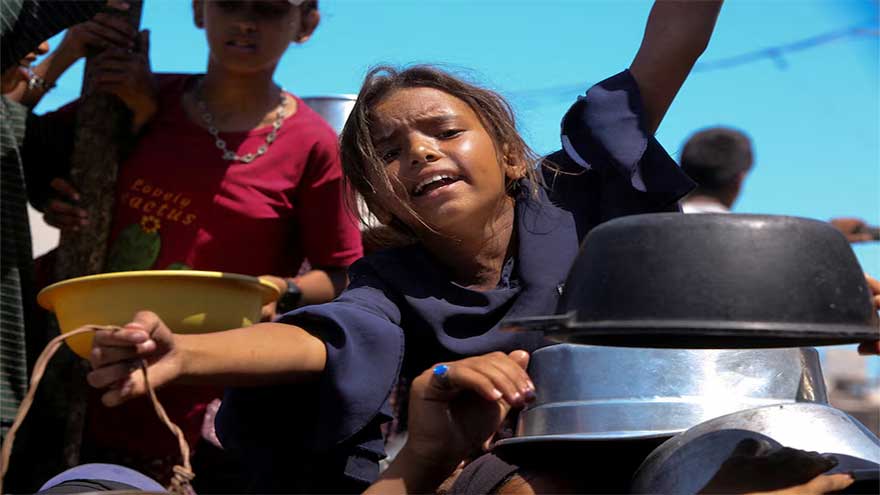
The largest portion of next year’s appeal, $4 billion, is allocated to the occupied Palestinian territories, with Gaza remaining the most critical area due to ongoing conflict. Sudan and Syria follow as the next largest crises requiring urgent support.
UN officials warn that without increased funding, worsening hunger, disease outbreaks, and escalating violence could create even greater global instability in the year ahead.