ABUJA – Nigeria’s Defence Minister Mohammed Badaru Abubakar has resigned, the presidency announced Monday, as the country grapples with a growing security crisis. His departure comes amid President Bola Tinubu’s declaration of a nationwide security emergency in response to a surge in mass kidnappings.
Read More: A Divine State Trapped in a Security Dilemma
Abubakar, 63, stepped down with immediate effect, citing health reasons, according to presidential spokesman Bayo Onanuga. The resignation follows waves of abductions that have seen hundreds of schoolchildren and other civilians kidnapped across Nigeria in recent months.
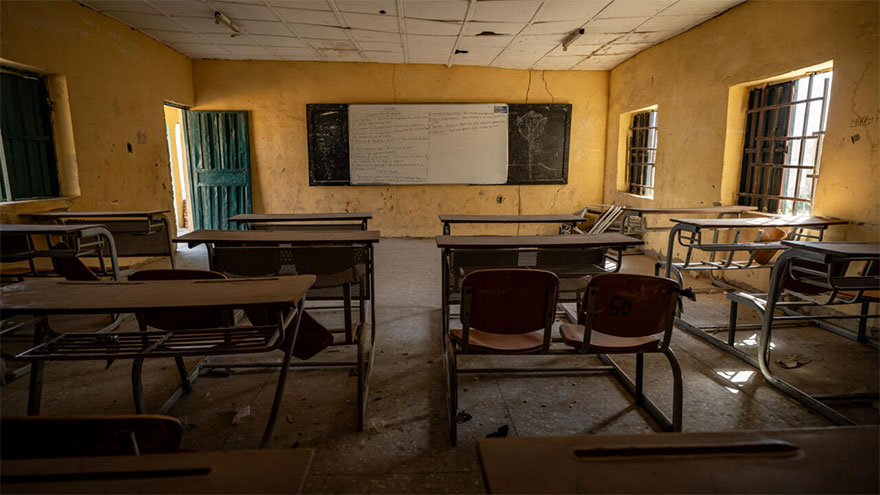
Last month, armed gangs seized over 300 staff and teachers from St. Mary’s co-educational school in north-central Nigeria. While some managed to escape, many remain in captivity. National Security Adviser Nuhu Ribadu reassured the public that the children are safe and will be returned soon.
Nigeria’s defence minister, Alhaji Mohammed Badaru Abubakar resigns.
Nigeria MUST be secure for all. pic.twitter.com/zqS4wpAmg3
— High Chief Lawrence Igbins Okoro (@HighChiefOkoro) December 1, 2025
The security crisis highlights Nigeria’s ongoing struggles with armed gangs and jihadist insurgencies, including Boko Haram, which infamously kidnapped nearly 300 schoolgirls from Chibok over a decade ago. Criminal gangs often target schools, religious institutions, and rural communities for ransom, exacerbating the country’s instability.
JUST IN: Nigeria’s Defence Minister, Badaru Abubakar, has stepped down with immediate effect, citing health reasons in a letter to President Tinubu. The President has accepted his resignation and is expected to announce a successor later this week. pic.twitter.com/QPBCxkwL1p
— Nairametrics (@Nairametrics) December 2, 2025
In response, President Tinubu has ordered mass recruitment of police and military personnel and vowed to expand security measures nationwide. Meanwhile, international attention has intensified after US President Donald Trump designated Nigeria a Country of Particular Concern in October, citing attacks on Christians and threatening potential military intervention.
Read More: Surveillance and security crisis in Europe
Despite these efforts, kidnappings and raids continue, affecting students, teachers, worshippers, brides, and farmers across several regions. Analysts warn that without sustained government action, Nigeria’s security crisis may deepen, making swift policy and operational measures critical for restoring stability.