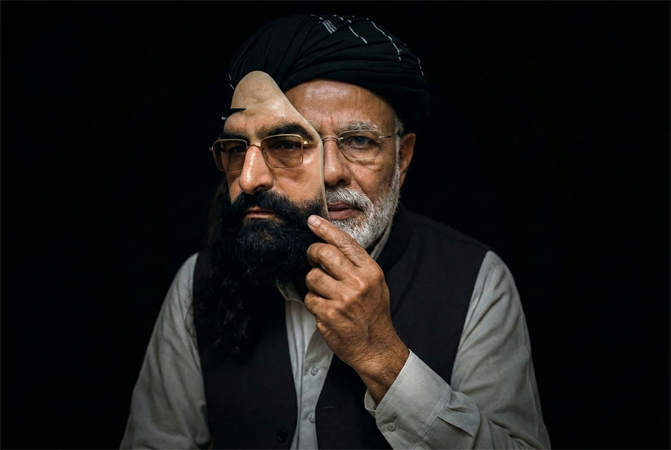
 The reopening of India’s mission in Kabul, followed by announcements of revived cargo corridors and fresh Afghan invitations to Indian firms to build dry-ports and hubs on Afghan soil, marks a dramatic shift in regional alignments.
For Pakistan–as for any conscious nation– these are not ordinary diplomatic gestures. Where once Kabul depended on Karachi and Pakistani land routes for access to the sea, it is now turning instead to Iran’s Chabahar port and direct India-Afghanistan air and trade links.
At the same time, border violence has surged again. Militants based in the frontier are once more attempting large-scale infiltrations into Pakistani territory. The ground is shifting as what was once a buffer zone is now a potential conduit for militancy and strategic bypasses.
It matters little whether Kabul issues denials or Delhi insists its ties are purely commercial. What counts is that this evolving axis – Afghan soil under the Taliban, backed by renewed Indian investment and access – signals a structural shift, not a transient detour.
We cannot treat such developments as distant noise or peripheral concerns. When a regional neighbour builds routes that circumvent your territory, and when the same soil becomes a passage for networks that threaten your security, what’s at stake is your sovereignty, your security, your existence.
If the Taliban and New Delhi walk arm in arm, the world must read the map. Because there could be no bigger disaster than the Butcher of Gujrat joining forces with the notorious Butcher of Kabul. We may not control who our neighbours are, but we still need to be ready to respond to any status quo with eyes wide open.