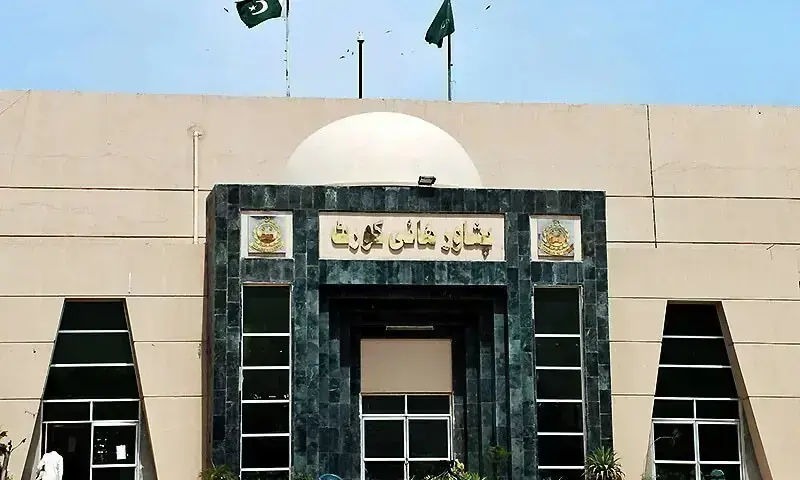
PESHAWAR: The Peshawar High Court (PHC) on Wednesday rejected petitions filed by Khyber Pakhtunkhwa Chief Minister Mohammad Sohail Afridi and Sheharnaz Omar Ayub, a PTI-backed candidate in the recent Haripur by-election, challenging notices issued to them by the Election Commission of Pakistan (ECP). The court ruled that the petitions were premature since no adverse action had yet been taken against the petitioners.
Read More: PHC halts new opposition leaders‘ appointments
A bench comprising Justice Syed Arshad Ali and Justice Wiqar Ahmad noted that the ECP, in the first instance, should determine its jurisdiction before proceeding further. “It is evident from the record that no adverse order has been passed against the petitioners. The impugned proceedings are aimed at inquiring into alleged violations of the Code of Conduct under the Elections Act, 2017,” the bench stated.
The petitioners had sought to declare the notices illegal, arguing that the ECP had no jurisdiction under Section 234 of the Elections Act to issue them. Their counsel said the Act provides a mechanism for monitoring election campaigns and handling violations, including fines of up to Rs50,000 for first-time offences, with disqualification only in repeated cases. They insisted that the Chief Minister’s warning regarding possible action against rigging did not constitute a violation.
Representing the ECP, officials argued that under Article 218(3) of the Constitution and Section 15 of the Elections Act, the commission has authority to investigate offences including bribery, undue influence, and corrupt practices. They claimed that the Chief Minister’s actions could amount to serious violations of the election code and corrupt practices punishable under Chapter X of the Act.
Read More: PHC bars authorities from arresting Asad Qaiser
The PHC bench refrained from giving an opinion on the ECP’s jurisdiction, stating that doing so at this preliminary stage could prejudice either party. The case may be revisited if any adverse order is issued against the petitioners during the ongoing inquiry.