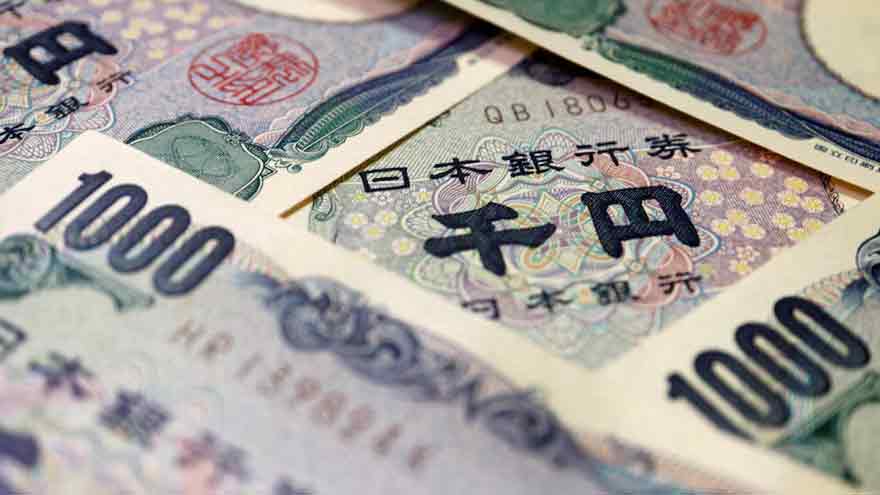
SINGAPORE – The Japanese yen strengthened on Wednesday after reports suggested the Bank of Japan (BOJ) is preparing markets for a possible interest rate hike as early as next month. Meanwhile, the New Zealand dollar surged following hawkish signals from the Reserve Bank of New Zealand.
Read More: Dollar rises as yen faces intervention
According to sources familiar with BOJ thinking, recent comments were aimed at reminding markets that a December rate increase remains a possibility. The yen reversed earlier losses, with the U.S. dollar falling 0.2% to 155.75 yen. The Japanese currency has been under pressure due to concerns over the country’s fiscal position and cautious central bank policy, raising the risk of intervention from Tokyo to curb further decline.
Carol Kong, currency strategist at Commonwealth Bank of Australia, said thinner liquidity during the U.S. Thanksgiving holiday could make intervention more impactful. “Direct intervention is definitely a risk this week based on the BOJ’s comments,” she noted.
Yen hits new lows amid Takaichi’s policies. What could be in store for the currency for the rest of the week? https://t.co/edaxqrmgzm pic.twitter.com/LPRMTebYTl
— OANDA Asia Pacific (@OANDA_APAC) November 26, 2025
In New Zealand, the Reserve Bank lowered rates to 2.25% as expected but signaled an end to the easing cycle. The central bank forecasts the cash rate at 2.20% in Q1 2026 and 2.65% by Q4 2027, prompting the kiwi to rise 1.2% to $0.5688. Analysts noted that the hawkish forward guidance reduced expectations of further cuts.
The Australian dollar also strengthened 0.4% to $0.6495 after higher-than-expected inflation in October closed the door on additional policy easing. Meanwhile, the U.S. dollar eased against major currencies following weak retail sales, muted consumer confidence, and speculation that the next Federal Reserve chair may adopt a more dovish approach.
Read More: Japan approves massive stimulus to boost struggling economy
Against a basket of currencies, the dollar fell 0.2% to 99.67, while the euro edged to $1.1583 and sterling rose to $1.3191 ahead of a high-stakes UK budget announcement. Investors are closely watching developments in central bank policies globally amid ongoing inflation and economic growth concerns.