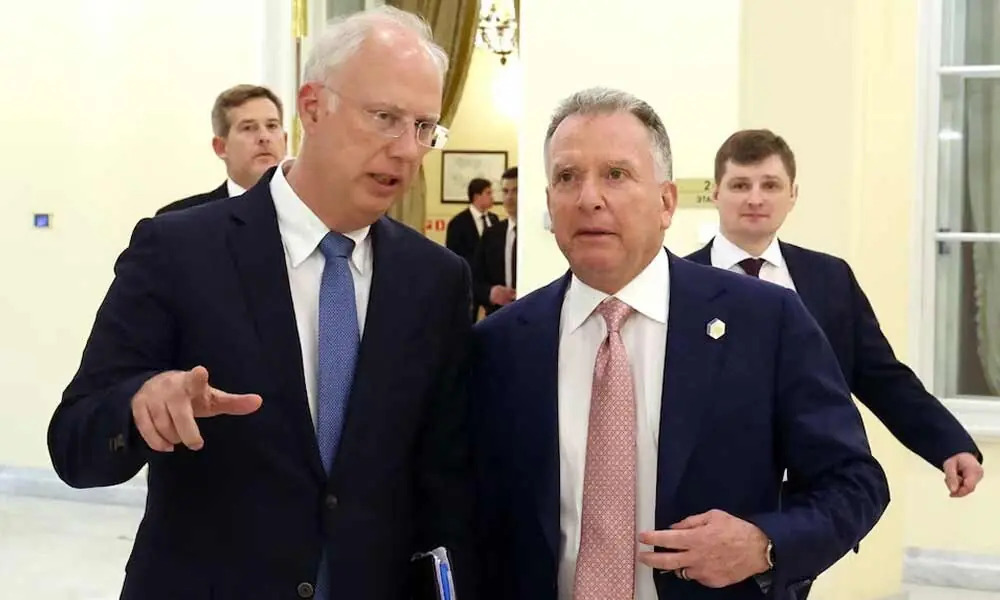
U.S. officials and lawmakers are raising concerns about a secret October meeting in Miami with Russian envoy Kirill Dmitriev. The meeting involved Trump aides, including Jared Kushner and Steve Witkoff, and aimed to draft a 28-point Ukraine peace plan. Dmitriev is under U.S. sanctions, and the proposed plan reportedly favors Russian demands, sparking criticism from Kyiv and Washington insiders.
The Miami session included discussions on Ukraine ceding territory, recognizing Crimea as Russian, and pledging not to join NATO. Many senior State Department and National Security Council officials were not briefed, leaving the plan controversial and poorly coordinated. U.S. intelligence and Capitol Hill members worry that the initiative bypassed official channels, undermining current policy toward Moscow.
Read more: Zelensky rejects U.S. peace plan that favors Moscow
Ukrainian officials, including Defense Minister Rustem Umerov, were involved only in technical discussions and have rejected any concessions. Experts argue the plan heavily tilts toward Russian interests and may fail to achieve meaningful peace for Ukraine. Critics also warn that the timeline and pressure on Kyiv could backfire, worsening international relations rather than resolving the war.
Dmitriev has a history of interacting with U.S. officials, including during the first Trump administration, raising further scrutiny. His presence and influence in the Miami meeting concern intelligence agencies, given his sanction status and close ties to Putin. Previous collaborations with Kushner on trade and pandemic ventilator deliveries highlight Dmitriev’s established connections in U.S. political circles.
Read more: Russia backs Trump’s peace plan for Ukraine
White House spokesperson Karoline Leavitt defended the plan, saying it aims for a “win-win” solution and security guarantees for all sides. However, many U.S. officials remain skeptical, stressing that Ukraine should not be forced to concede land or sovereignty. The debate over the Miami meeting underscores tensions between Trump-affiliated envoys, sanctioned Russian figures, and traditional U.S. foreign policy channels.