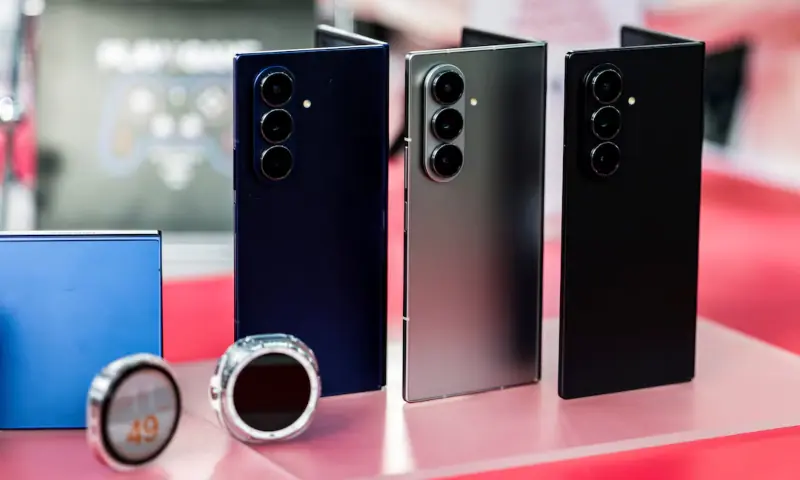
Shoppers may face higher prices for smartphones, laptops, and other consumer electronics in 2026 as surging demand from AI data centres tightens the global memory chip supply, manufacturers and industry analysts warn.
Tech giants are investing enormous sums to build the hardware that powers AI tools like ChatGPT, creating a bottleneck in the supply of key components such as DRAM and NAND memory chips. These chips, essential for both consumer devices and AI servers, are now in high demand, pushing up prices and boosting revenue for manufacturers like Samsung, SK hynix, Micron, and SanDisk.
“Everyone will likely observe that retail prices for products will see a significant increase,” said Lu Weibing, president of Chinese electronics giant Xiaomi. William Keating, head of semiconductor consulting firm Ingenuity, added: “All companies that manufacture PCs, smartphones, servers, etc. will be impacted by the shortage. End result: consumers will pay more.”
Read More: Nvidia Unveils First U.S.-Made Blackwell Wafer as AI Chip Demand surges
Samsung confirmed plans to build a new semiconductor plant in South Korea to meet soaring AI-related demand, while SK hynix reported its best-ever quarterly performance, driven by rising DRAM and NAND prices. Analysts from TrendForce have lowered global 2026 production forecasts for smartphones and laptops, citing the upward pricing cycle in the memory industry.
The shortage is caused by two key factors: unprecedented AI-driven demand and deliberate constraints by memory chip makers, who have limited investment in expanding production capacity to avoid past price collapses that caused massive losses.
“Keep capacity tight, keep prices high is basically their mantra,” Keating explained. Stephen Wu of Carthage Capital warned consumers and enterprises to expect “higher memory prices, longer lead times, and more take-or-pay contracts through at least early 2026.”
Read More: Anthropic expands partnership with Google for $10B AI chip deal
Even industries like automotive may be affected, although their reliance on memory chips is smaller. China’s largest contract chipmaker, SMIC, noted that customers are hesitant to place orders amid uncertainty about chip availability for phones, laptops, and other devices.
With memory chip shortages expected to continue into 2026, analysts say the cost of everyday electronics is likely to climb, leaving consumers paying more for gadgets in the coming year