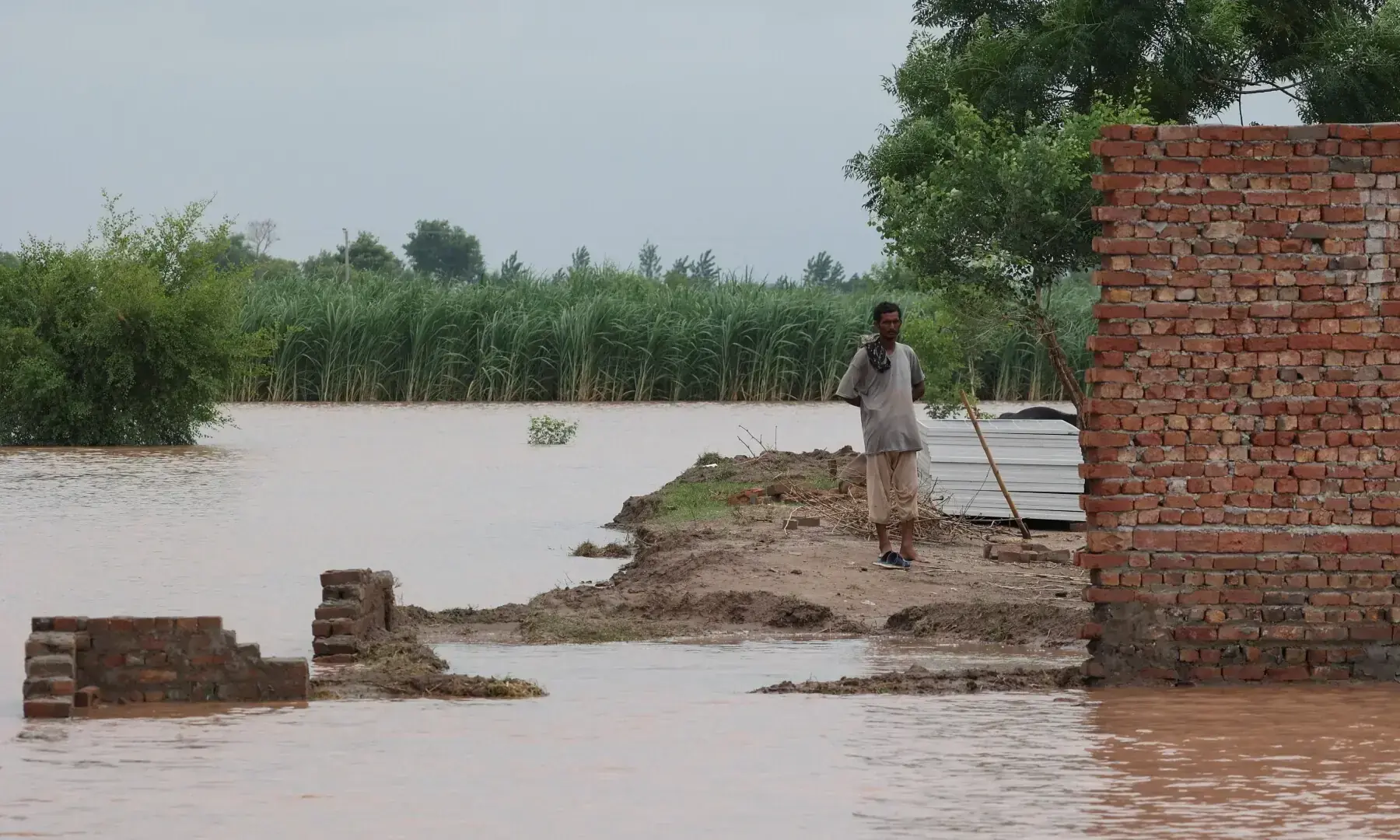
Disasters have inflicted a staggering $3.26 trillion in agricultural losses worldwide over the past 33 years, averaging $99 billion annually, or roughly four per cent of global agricultural GDP, according to a new report by the Food and Agriculture Organisation (FAO). The report, Impact of Disasters on Agriculture and Food Security 2025, underscores the growing threat of natural hazards to food security and the potential of digital technologies to mitigate these risks.
Between 1991 and 2023, disasters destroyed 4.6 billion tonnes of cereals, 2.8 billion tonnes of fruits and vegetables, and 900 million tonnes of meat and dairy. These losses translate to a daily reduction of 320 kilocalories per person globally, representing 13-16 per cent of average energy needs. Asia bore the brunt, accounting for 47 per cent of global losses — approximately $1.53 trillion — due to its high agricultural output and vulnerability to floods, storms, and droughts.
Read More: Transforming Pakistan’s agricultural future
In Pakistan, consecutive monsoon floods have caused severe agricultural damage. Over 9 million people were affected, and 849,000 hectares of crops were destroyed, compounding recovery from the catastrophic 2022 floods. The FAO report highlights long-term consequences such as soil erosion, salinisation, and destruction of rural infrastructure, which hinder agricultural recovery.
The report identifies digital tools, including artificial intelligence, drones, sensors, and mobile connectivity, as transformative for disaster risk reduction. These technologies allow real-time monitoring, early warning, and proactive interventions. Currently, 9.1 million farmers access parametric insurance digitally, and early warning systems have helped evacuate 90 per cent of populations at risk, shifting the approach from reactive relief to preventive action.
Read More: Pakistan, China sign $4 billion agricultural MoUs
FAO Director-General QU Dongyu stressed that the impacts of disasters extend beyond production losses, affecting infrastructure, markets, ecosystems, and vulnerable populations. Marine heatwaves alone caused $6.6 billion in fisheries losses between 1985 and 2022, highlighting the broader and often overlooked effects on aquatic food systems.