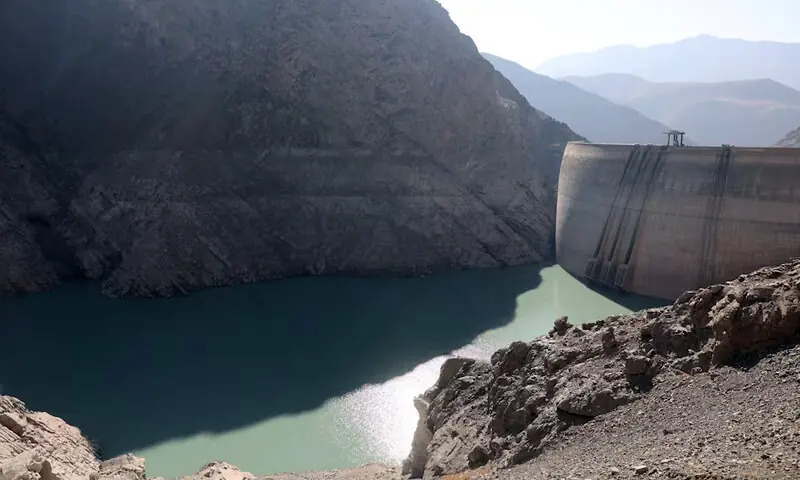
Iran is facing a severe water crisis, and authorities warn that Tehran could soon become uninhabitable. President Masoud Pezeshkian said if rainfall does not occur by December, the government may have to ration water. Without immediate action, residents could be forced to leave the city.
The crisis stems from years of mismanagement, overbuilding of dams, illegal wells, inefficient farming, and climate change. Tehran’s main reservoirs are now at half capacity, with the Amir Kabir Dam almost dry. Officials report that if consumption continues at the current rate, water supplies could run out within two weeks.
Read more: Iran dismisses US allegation of plot to kill Israeli envoy as ‘absurd’
Across the country, 19 major dams—about 10% of Iran’s total—are effectively dry. In Mashhad, the reservoirs serving 4 million people are at less than 3% capacity. Authorities have reduced water pressure at night in some areas, and some districts may face complete water cuts.
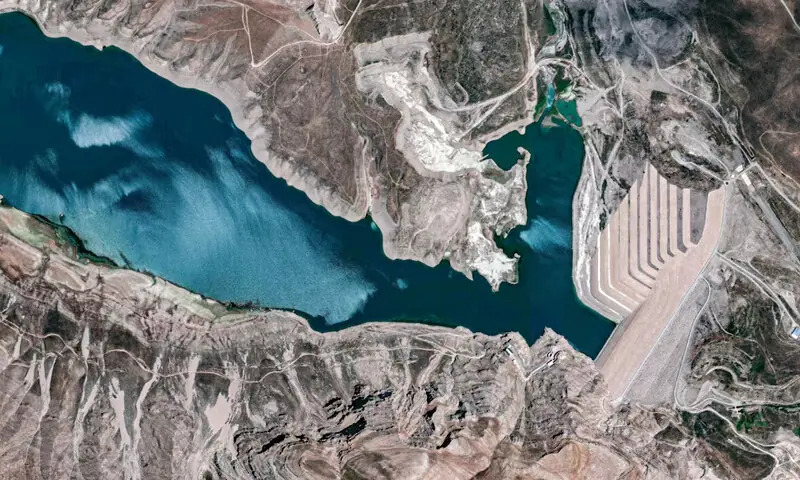
The shortage follows record-breaking heat waves, repeated power outages, and years of overuse. Officials have temporarily transferred water from other reservoirs to Tehran and urged citizens to install water storage tanks. However, experts warn these measures are short-term and unlikely to resolve the crisis.
Read more: Iran vows to rebuild nuclear sites stronger than ever
The water scarcity has sparked public concern, as Iran struggles with economic sanctions and limited resources. Observers say climate change, political mismanagement, and inadequate planning have combined to create one of the country’s most urgent environmental emergencies. Tehran residents are already experiencing daily water shortages, intensifying fears of widespread disruption.