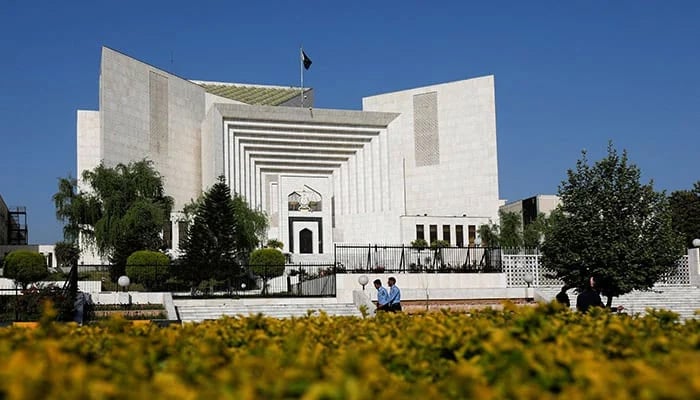
ISLAMABAD – The Supreme Judicial Council (SJC) has amended the code of conduct for Supreme Court and high court judges, introducing new restrictions on their freedom of speech and public engagement. The SJC, which derives its authority from Article 211(8) of the Constitution, stated that the amendments are intended to preserve judicial integrity and public confidence in the judiciary.
The key change, made to clause 5 of the code, bars judges from engaging in public controversy through speeches, writings, or comments — especially on political matters, even if they involve legal questions. It also prohibits judges from interacting with the media on issues that could provoke public debate or affect institutional discipline and collegiality.
Read More: Amended code of conduct for judges notified
Legal experts have drawn parallels between Pakistan’s move and global judicial standards, such as the Bangalore Principles of Judicial Conduct (2002), which emphasize independence, impartiality, integrity, and propriety. However, constitutional scholars warn that excessive curbs could risk limiting a judge’s freedom of expression, a right recognized under national constitutions and international charters like the UN Declaration of Human Rights.
The debate highlights a delicate balance between judicial independence and accountability. While judges are expected to avoid political engagement to maintain impartiality, they also bear a constitutional duty to defend and uphold fundamental rights, including free speech. Historically, Pakistani judges such as Chief Justice Cornelius and Justice Rustam Khan Kiani engaged in academic and legal discourse without compromising judicial neutrality.
Read More: Two SC judges warn new code of conduct will restrict judicial freedom
Analysts argue that the amendment seeks to address growing concerns over judges’ participation in public debates amid increased media exposure. Still, many caution that open dialogue and intellectual exchange should not be suppressed in the name of discipline. As one constitutional commentator noted, “Open justice and free speech are values to be protected, not silenced.”