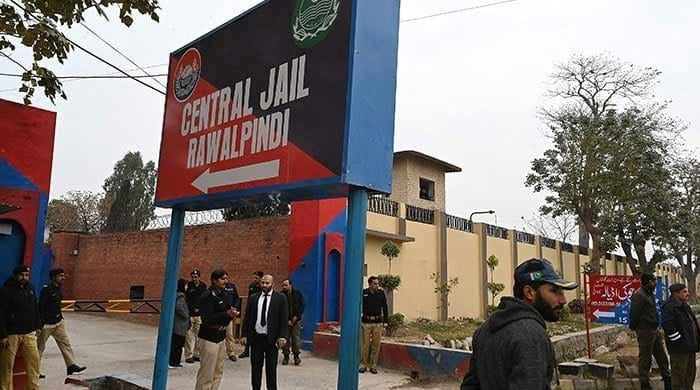
The Islamabad High Court (IHC) on Thursday reinstated the ban on political discussions among prisoners, reversing a previous single-bench decision that had declared the restriction unconstitutional. The larger bench, led by Chief Justice Sarfraz Dogar, issued the suspension after hearing an intra-court appeal filed by the Punjab government. The earlier ruling by Justice Sardar Ejaz Ishaq Khan had stated that the prohibition violated inmates’ constitutional right to freedom of expression under the Punjab Prison Rules.
During the proceedings, Punjab Advocate General Amjad Pervaiz argued that political debates among inmates could disrupt prison order and security, emphasizing that jails were not designed for political activities. After considering the arguments, the bench restored Section 265 of the Pakistan Prison Rules (1978), which restricts political discussions inside prisons, until further notice. The court clarified that the rule aimed to maintain discipline and prevent the spread of political unrest within jail premises.
Read more : Pakistan’s Economic Success: Inflation Drops, Growth Projections Remain Positive Amid Challenges
Meanwhile, the larger bench also took up a set of 11 petitions filed by Pakistan Tehreek-e-Insaf (PTI) leaders concerning visitation rights for their party founder, Imran Khan, who is currently incarcerated at Adiala Jail. The petitioners argued that they had been denied meetings despite the court’s earlier directions allowing regular visits. The bench reaffirmed that the previously issued visitation orders must be fully implemented by jail authorities.
Furthermore, the IHC directed the Adiala Jail superintendent to ensure that Imran Khan is permitted to meet his legal team and close associates twice a week—specifically on Tuesdays and Thursdays—under the established standard operating procedures (SOPs). The court warned that any violations of its orders would be taken seriously and could lead to contempt proceedings against responsible officials.
This decision marks a significant legal development, balancing constitutional rights with institutional discipline inside prisons. While the restoration of the ban may reignite debate over freedom of expression for inmates, the IHC emphasized that the restrictions are temporary until a detailed hearing on the matter concludes.