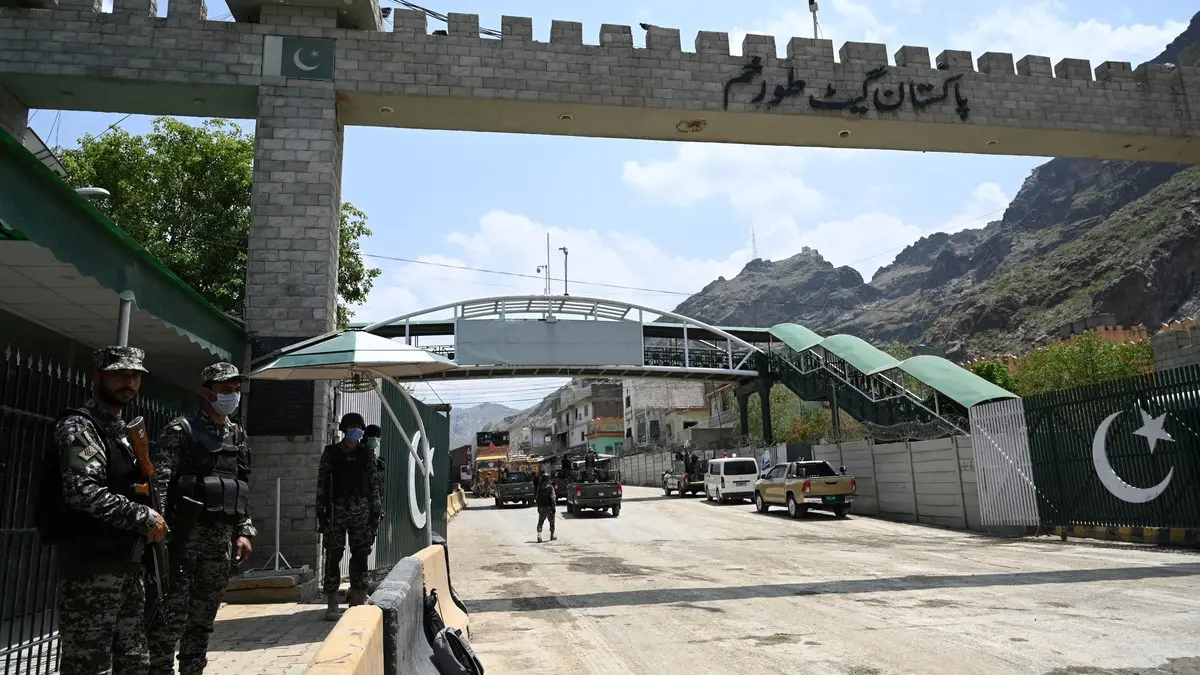
Trade between Pakistan and Afghanistan has come to a standstill following recent border clashes that led to the closure of key crossings used for bilateral commerce. Although a ceasefire has been reached, trade activities remain suspended for nearly two weeks, severely impacting businesses on both sides. The closure has disrupted the movement of essential goods, including agricultural and industrial products that form the backbone of cross-border trade.
Pakistan heavily depends on imports from Afghanistan, particularly cotton, onions, tomatoes, grapes, fruits, dry nuts, and coal. Last year, Pakistan imported $225 million worth of cotton, $92 million in onions and garlic, and $43 million in tomatoes from its western neighbour. The country also imported $17 million in fresh fruits, $7 million in dry fruits, and $54 million in other vegetables, along with $51 million worth of grapes. This trade plays a vital role in stabilizing food prices and supporting industries that rely on agricultural inputs.
Read more : Pakistan-Afghanistan Trade Routes Closed for 11 Days, Economic Impact Severe
Jawad Hussain Kazmi, Chairman of the Pakistan Border Trade Council, warned that the ongoing closure is causing an estimated daily loss of Rs1.6 billion. He added that Afghanistan is Pakistan’s closest and most accessible market, and the disruption is also affecting trade routes with Central Asian countries. The halt has left hundreds of trucks stranded at the border, with perishable goods at risk of spoiling, further increasing the financial burden on traders and exporters.
From January 1 to October 11, 2025, Pakistan imported around 226,540 metric tons of tomatoes from Afghanistan, making it one of the country’s top agricultural imports. During the same period, 25,961 metric tons of tomatoes were imported from Iran, highlighting Afghanistan’s significant contribution to Pakistan’s food supply chain. With the trade freeze, local markets are already facing shortages, and prices of key food items are beginning to rise across major cities.
Read more : Torkham Border Reopening Expected Within 48 Hours, Say Officials
As both nations work toward restoring stability, economic experts stress the urgent need to reopen trade routes and resolve border disputes diplomatically. The closure not only hampers bilateral trade but also threatens regional economic cooperation and supply chains. Reopening the crossings could revive cross-border commerce, ease inflationary pressures, and help restore confidence among traders who rely on this critical trade corridor.