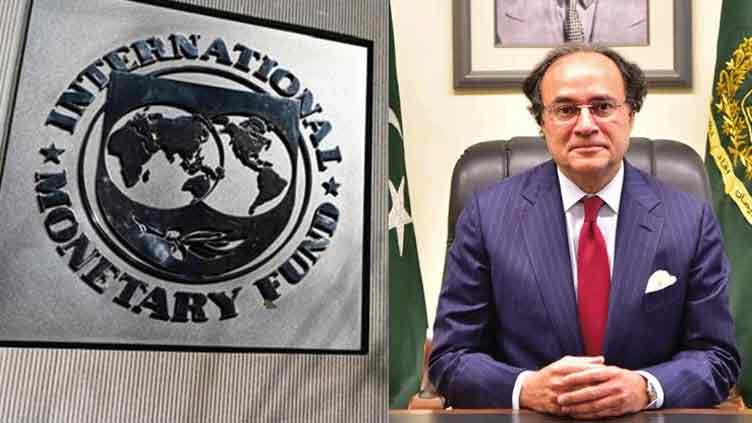
Pakistan is close to reaching a key agreement with the International Monetary Fund (IMF) this week. Finance Minister Muhammad Aurangzeb confirmed that talks have made strong progress. He said Pakistan hopes to sign a staff-level agreement (SLA) within days. The deal will unlock a $1.2 billion payout under the IMF’s $7 billion loan programme. Talks also include a separate $1.4 billion climate-focused facility agreed last year.
An IMF mission visited Pakistan recently but left without signing the SLA. However, discussions continued after the visit ended. Aurangzeb said talks focused on economic targets, reforms, and progress under the programme. The IMF must approve these reviews to release the next loan tranche. Pakistan urgently needs the funds to support its struggling economy.
Read more: Pakistan, IMF reaffirm push for reforms in key Washington talks
The country signed the IMF programme in 2024 during a severe economic crisis. At the time, Pakistan faced record inflation, a falling currency, and low reserves. The agreement helped stabilize the $370 billion economy. Now, the government wants to stay on track with reforms and meet all IMF benchmarks.
Aurangzeb also shared other economic plans during the IMF-World Bank meetings. He said Pakistan will launch its first green Panda bond in Chinese yuan this year. A global bond sale worth at least $1 billion is planned for 2026. The government is keeping options open for dollar, euro, or Islamic Sukuk bonds.
Read more: IMF to Review Pakistan’s Flood Spending, Budget Plans
Meanwhile, Pakistan’s stalled privatization drive is regaining momentum. The government hopes to sell three power firms and the national airline PIA. Routes to Europe and the UK have reopened, raising investor interest in PIA. Aurangzeb said several groups, including Airblue and Fauji Fertilizer, may submit final bids this year. This would mark Pakistan’s first major privatization in 20 years.