GENEVA – The head of the United Nations Environment Programme (UNEP) has said that efforts to forge a global treaty to tackle plastic pollution remain alive, despite recent setbacks and leadership changes. UNEP Executive Director Inger Andersen stated that countries have not abandoned negotiations, even after two major rounds of talks collapsed without agreement, underscoring that the political will to act remains intact. She stressed that while differences persist, especially between oil-producing states and environmental blocs, nations are still committed to finding common ground.
Read more : dan-scavino-named-head-of-key-white-house-office/
Andersen highlighted that the breakdown of talks in South Korea in 2024 and again in Geneva this year reflected the scale of the challenge rather than failure of intent. “No one has walked away and said this is too hopeless,” she emphasized, calling the determination of countries a source of optimism. A broad coalition of states continues to push for limits on plastic production, while a smaller group led by oil producers argues for focusing mainly on waste management and recycling measures.
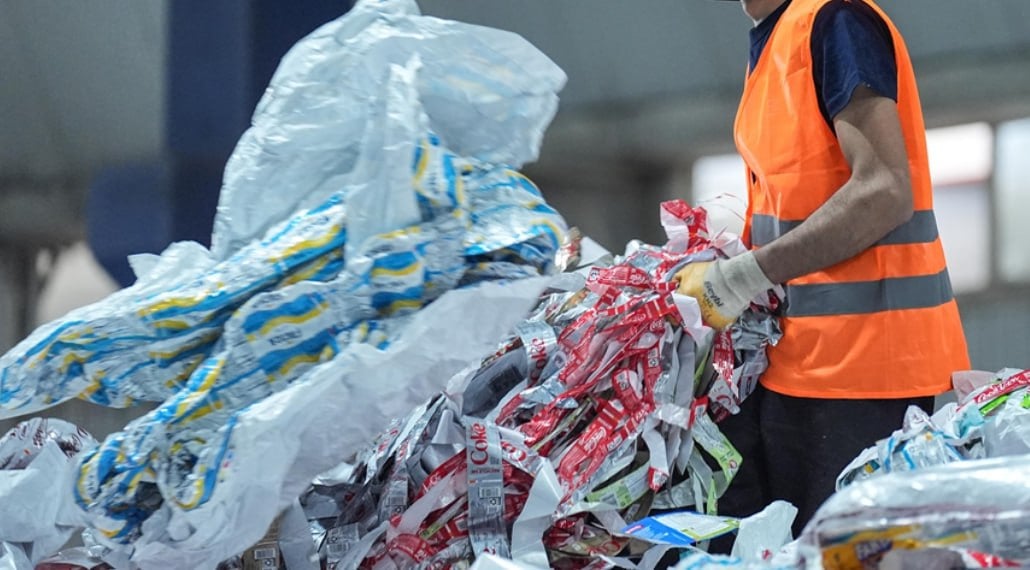
The global plastic crisis continues to worsen, with over 400 million tonnes of plastic produced annually—half of it designed for single use. Shockingly, only about nine percent of plastic waste is successfully recycled, while nearly half ends up in landfills and over one-fifth is discarded as litter. Scientists warn that microplastics have infiltrated every corner of the planet, from the world’s highest peaks to the deepest ocean trenches, even entering human bloodstreams and organs.
Andersen said the negotiations remain “totally doable” and that countries now have a clearer sense of each other’s red lines. She noted that the UNEP’s role as facilitator has helped build mutual understanding despite the complex geopolitical landscape. Norway and Kenya recently hosted an informal meeting during the UN General Assembly in New York to sustain momentum, and more discussions are expected during the upcoming COP30 climate summit in Brazil.
Even though there is currently no set timetable or host for the next formal round of talks, Andersen said the will to achieve a treaty is undiminished. She believes that continued collaboration, persistence, and political compromise can lead to an historic agreement. The upcoming UN Environment Assembly in Nairobi this December is expected to serve as another key opportunity for nations to revive the negotiation process and move closer to ending the global plastic pollution crisis.